Choosing a curriculum can feel like a huge decision, especially when you are already wondering whether you are doing enough. The reassuring answer is that there is no single programme every family needs to follow. The most successful choice is one that suits your child, your family’s circumstances and the way you want home education to work.
Some families value a clear timetable and ready-made resources. Others build learning around projects, books, visits and their child’s interests. Many combine approaches or change their plans as they go. This guide explains how to choose a home education curriculum in the UK, support children of different ages and keep useful records without turning family life into a classroom.
What is the most successful curriculum for home education?
The most successful curriculum is the one that helps your child make progress and supports a sustainable, positive family routine. It does not have to be a particular branded scheme, a school timetable or a complete set of workbooks. A curriculum can be a resource you buy, a plan you create, a collection of books and activities, or a loose framework that you adapt over time.
Before choosing, think about what matters to your family. Does your child enjoy knowing what comes next, or do they work better with room to follow a question? Do you want guidance on subject coverage, or do you feel confident gathering materials yourself? How much time can you realistically spend planning and teaching alongside work, caring responsibilities and everyday life?
Compare the approach, not just the sales claims
When you look at a programme, check its age range, subjects, format, cost and assumptions about daily study. Consider whether you can adapt the pace, skip material your child already understands and add local experiences. Ask whether the resources feel engaging to your child, rather than buying a package simply because it promises to cover everything.
Structured, semi-structured, eclectic, project-based, Montessori-inspired, Charlotte Mason, Steiner-inspired, games-based and child-led approaches are descriptions, not legal categories. Child-led education is not automatically the same as autonomous education or unschooling. Families use these terms in different ways, and you do not have to choose a label. You can combine ideas and change direction. For a balanced overview, read about home education methods.
A plan is a tool, not a test of your commitment. If a resource is causing regular arguments or taking over the day, pause and review it. You might need a different level of structure, shorter sessions, more practical activities or a break from the resource altogether. A successful curriculum should serve your family, not make you feel that your family is failing it.
Is a curriculum required for home education in the UK?
No single curriculum or set of lessons is required for home education in England. Parents have a duty under section 7 of the Education Act 1996 to make sure their child receives an efficient, full-time education suitable to their age, ability, aptitude and any special educational needs. The National Curriculum is not compulsory for children educated at home, and there is no requirement to reproduce a school day in your home.
Legal arrangements differ across the UK, so check the rules for your nation and circumstances before making a change. In England and Wales, parents normally give written notice to the school when withdrawing a child from a mainstream school; Local Authority permission is not needed. Consent is needed to withdraw a child from a special school. In Scotland, you must obtain the council’s consent to withdraw a child who has been attending a public school. In Northern Ireland, no Education Authority permission is needed for withdrawal from a mainstream school, but you should tell the principal; tell the Education Authority if the child attends a special school. Our guide to uk home education requirements explains key rights and responsibilities, and you can use getting started home education for practical first steps.
In England, the Local Authority has a duty to identify children who do not appear to be receiving a suitable education. It may make informal enquiries. A home visit and a response to informal enquiries are voluntary, but providing no information at all can leave the authority to conclude that the education does not appear suitable. You are not legally obliged to produce specific evidence, and you do not need to send photographs or copies of your child’s work. If you choose to reply, your own written account can explain what education is taking place. Guidance on Local Authority Reporting for Home Educators can help you understand this process. The Children Not in School register provisions have been created by legislation but are not yet in force; check current official guidance for updates.
How to choose a home education curriculum in the UK
Start with your child and your real life, rather than a catalogue. Write down what your child is interested in, what they already know, what they would like to learn and what your family can manage. Then decide whether a ready-made resource, a parent-created plan or a blend would make things easier. Our curriculum planning guide can help you think through planning without assuming that every family needs a formal programme.
Try before you commit
- Use a free sample or library copy where available, and look at the actual activities rather than relying only on a description.
- Choose one small area to trial, such as reading practice, a science topic or a weekly maths resource.
- Agree a review point after a few weeks. Ask your child what is working and notice whether the routine is manageable.
- Keep flexibility in your budget. You can use library books, museums, parks and free online resources alongside paid materials.
For GCSEs, plan ahead if your child may want to sit exams as a private candidate. Research subjects, exam boards, practical requirements, approved centres, entry deadlines and costs well in advance. Exam arrangements can vary, and not every centre offers every subject. A curriculum provider can support preparation, but it does not itself guarantee an exam place or qualification.
How to home educate multiple ages in the UK
When you have children at different stages, it is easy to imagine that you need to run several separate school days. You usually do not. A shared topic can provide a common starting point, with each child exploring it at a suitable level. If you are searching for how to home educate multiple ages in the UK, think in terms of a shared family rhythm rather than identical tasks.
Build a shared topic with individual challenges
For a topic such as rivers, younger children might draw a water journey, learn new words and visit a local stream with you. Older children could read a map, research flooding or write a report. Everyone can share a book, museum visit or discussion, while the depth and independence of each activity differ.
- Choose one or two shared interests for a week or fortnight, not a long list of topics.
- Give each child a short activity they can start independently while you help a sibling.
- Use audiobooks, documentaries, read-alouds and practical projects as shared experiences.
- Make space for individual interests. A shared plan should not prevent a child pursuing a question of their own.
- Keep expectations realistic on busy days. A library visit, cooking together or a thoughtful conversation can be part of a rich learning week.
Some families like a timetable, while others use a flexible list of ideas. You can plan a few anchor points, such as reading together after breakfast, then leave the rest of the day open. Review the arrangement if one child is waiting too long for help or another needs more quiet time. There is no need for every child to complete the same work at the same moment.
Keeping a home education portfolio in the UK
A home education portfolio can be a useful family record, but it is not a compulsory document or a prescribed collection of work. You might keep a simple learning journal, a calendar, notes about books and activities, or a folder of plans and reflections. The purpose is to help you remember what has been happening and make future planning easier.
What could you record?
- Interests, questions and topics your child has explored.
- Books read, library visits, museum trips and community activities.
- New skills, projects completed, conversations and practical experiences.
- Your plans, observations and ideas for what to try next.
- Photos for your family’s own record, if you find them helpful. They are not something you need to send to the Local Authority.
Keep the system light enough to maintain. A few dated notes each week may be more useful than an elaborate portfolio that becomes another source of pressure. If you are asked about your child’s education, the evidence is your own account. You are not legally obliged to produce specific samples, photographs or copies of work.
Flybrite helps you log everyday learning and turn those moments into a tidy record in minutes, so you can see what your family has been doing without creating paperwork from scratch. See home education platform to understand how it can support your record-keeping while the record stays yours.
Finding community and a home education co-op in the UK
Many home educating families value learning alongside other people. You might find local groups through community centres, libraries, museums, nature organisations, sports clubs or parent networks. Some groups arrange regular meet-ups, shared activities or subject sessions. In the UK, you may see these described as home education groups, co-ops or learning groups. Ask what a group offers, how it is organised and whether there are costs or expectations before joining.
Community can bring friendship, shared interests and practical ideas, but it does not need to become another timetable to manage. One regular meet-up or a library event may be enough. Check that activities are suitable for your child and that the arrangements work for your family. Your child can learn with peers while still following an individual home education plan.
Practical tips for making your approach work
- Start small. Pick one routine or resource to try before buying a full set of materials.
- Notice what happens. Look for curiosity, confidence, questions and developing skills, not just completed pages.
- Use your local area. Libraries, museums, parks, historic sites and community events can all provide valuable experiences.
- Leave room for change. Children grow, interests shift and family circumstances change. Adjust the plan when it no longer fits.
- Keep notes simply. A brief record can help you plan and explain your approach if informal enquiries arise.
- Protect family time. Home education does not need to fill every hour. Rest, play and ordinary life matter too.
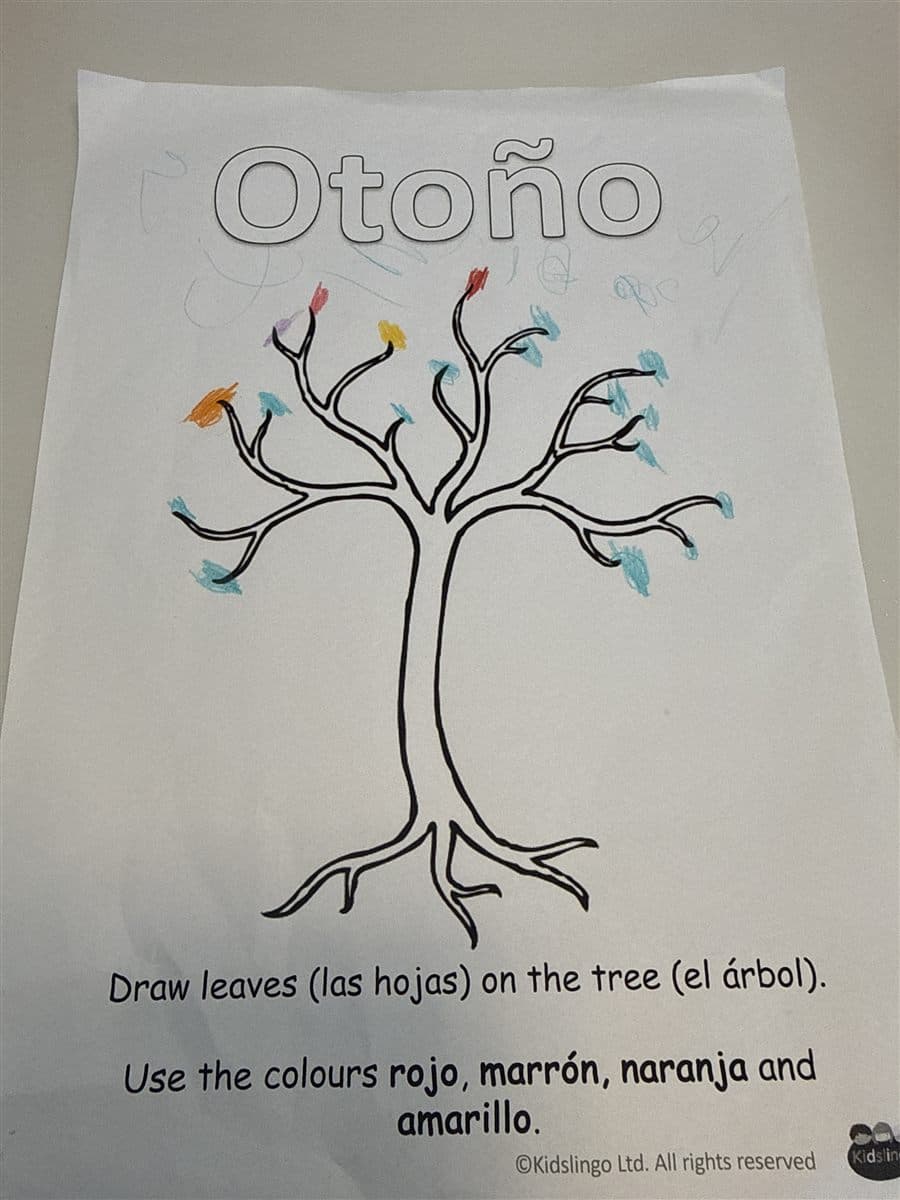
If you use printables to support routines, handwriting, counting or quiet activities, choose only what is useful to your child. Flybrite’s colouring worksheets has printable resources that can be used alongside a wide range of approaches.
Frequently asked questions
Do I need to follow the National Curriculum at home?
No. In England, the National Curriculum does not have to be followed for home education. Your child’s education should be suitable for their age, ability, aptitude and any special educational needs. Check the rules that apply in your nation.
Can I change curriculum or approach during the year?
Yes. You can review resources and routines when they are not working or your child’s needs change. Approaches are descriptions, not formal categories, and families may adapt or combine them.
Does the Local Authority have to approve my plan?
No. In England, the Local Authority does not approve or sign off a home education plan. It may make informal enquiries where it has a reason to believe a child may not be receiving a suitable education. A home visit and response are voluntary, although providing no information can affect the authority’s view.
Do I need to keep a home education portfolio?
No prescribed portfolio is required. A simple record can be useful for your own planning and recollection. You are not legally obliged to provide specific evidence, photographs or work samples to the Local Authority.
What if I am unsure where to begin?
Begin with your child’s needs, your family’s circumstances and a few manageable next steps. Read reliable guidance, speak with other home educators if that helps, and give yourselves time to find a rhythm. You do not need to buy a complete programme before you start.
Choose a curriculum that fits your family
The most successful curriculum for home education is not the one with the fullest box or the strictest timetable. It is the approach that helps your child learn, gives your family room to breathe and can change as your needs change. Start with what you know about your child, try one manageable step and build from there.
If you would like an easier way to keep track of the learning already happening in your home, start a 7-day Flybrite free trial, with no card needed to start. The record stays yours. flybrite pricing