If you have just started looking into this, you may be wondering whether “home education” is even a thing in the UK, or whether you are about to step into a legal maze. The short answer is yes, families do educate children at home in the UK, but the term most families use is home education. And once you understand the basics, it can feel far less daunting than it first seems.
This guide is here to give you a clear, calm overview of what home education means in the UK, what the law says, what your Local Authority can and cannot do, and how to keep things simple day to day. If you are already home educating, or you are just thinking about it, you are in the right place.
What does home education mean in the UK?
In the UK, home education means that a child is educated at home, or otherwise than at school, by their parent or another suitable adult. It is a lawful choice for many families. Some families do it from the start, while others move to home education after a child leaves school.
There is no single right way to home educate. Some families use a structured approach with books, workbooks and planned lessons. Others prefer a more flexible rhythm, with projects, trips, reading, games, practical life skills and lots of everyday learning. Many families mix approaches over time, depending on the child, the season of life and what works best for the household. If you are still working out what might suit your family, this guide to different home education approaches can help you think it through without feeling boxed in.
What matters most is that the education is suitable for your child’s age, ability and any special educational needs they may have. In England, the legal duty is on parents under section 7 of the Education Act 1996 to provide an efficient full-time education suitable to the child’s age, ability, aptitude and any special educational needs.
Does home education exist in the UK?
Yes, home education absolutely exists in the UK. The phrase “home education” is often used in search engines, but in everyday UK life, families usually say home education or home educating. That distinction matters because the law, guidance and support you will find online are usually written using UK terminology.
It is also worth remembering that education law differs across the UK. England, Wales, Scotland and Northern Ireland do not all work the same way. So if you are reading advice online, always check which nation it applies to before acting on it.
Do you need permission to home educate?
In England and Wales, you do not need Local Authority permission to withdraw your child from a mainstream school and begin home education. If your child attends a special school, the rules are different and you may need consent before withdrawing them. If you are unsure, check the current guidance for your nation and your child’s school type.
In Scotland, the position is different again. If your child has been attending a public school, you must have the council’s consent to withdraw them. In Northern Ireland, you do not need Education Authority permission to home educate, but you should tell the school principal if your child is leaving a school place, and special school arrangements are different.
If you are starting out and want a plain-English overview of what happens next, our guide to getting started with home education is a useful next step.
What does the law say about home education in England?
In England, the main legal point is simple: parents are responsible for making sure their child receives a suitable education. You do not need to follow the National Curriculum, and you do not need to recreate school at home. You are free to choose the approach that fits your child and family best.
The Local Authority’s role is not to approve your home education or sign it off. Its duty under section 436A of the Education Act 1996 is to identify children who do not appear to be receiving a suitable education. In practice, that may involve informal enquiries. Those enquiries are voluntary, and you do not have to agree to a home visit. You do not have to send photographs or samples of your child’s work either.
The Department for Education guidance for parents says you are under no legal obligation to produce specific evidence. If you do choose to keep records, that is for your own use. Many families find it helpful to keep a simple written account of learning, activities and progress, especially if the Local Authority gets in touch. If you want to see how that can be done without turning your life upside down, Flybrite is designed to turn everyday moments into a tidy, LA-ready record in minutes. You can read more about how Flybrite works and why so many UK families use it to keep things organised.
What should you tell the school or Local Authority?
If your child is on roll at a school and you are withdrawing them, you should give written notice to the school in line with the school type and nation you live in. For many families, that is the main formal step. You do not need to ask the Local Authority for permission in England and Wales if your child is in a mainstream school.
If the Local Authority contacts you after you begin home education, you can decide how to respond. You are not required to accept a visit or provide more than you wish to. That said, if you provide nothing at all, the authority may conclude that the education does not appear suitable. Many families therefore choose to keep a calm, brief written record of what their child is doing, which can be enough to show that home education is taking place.
If you are dealing with Local Authority contact and want to understand the process more clearly, our page on Local Authority reporting and contact explains the usual questions families face and how to stay steady.
Do you have to follow the National Curriculum?
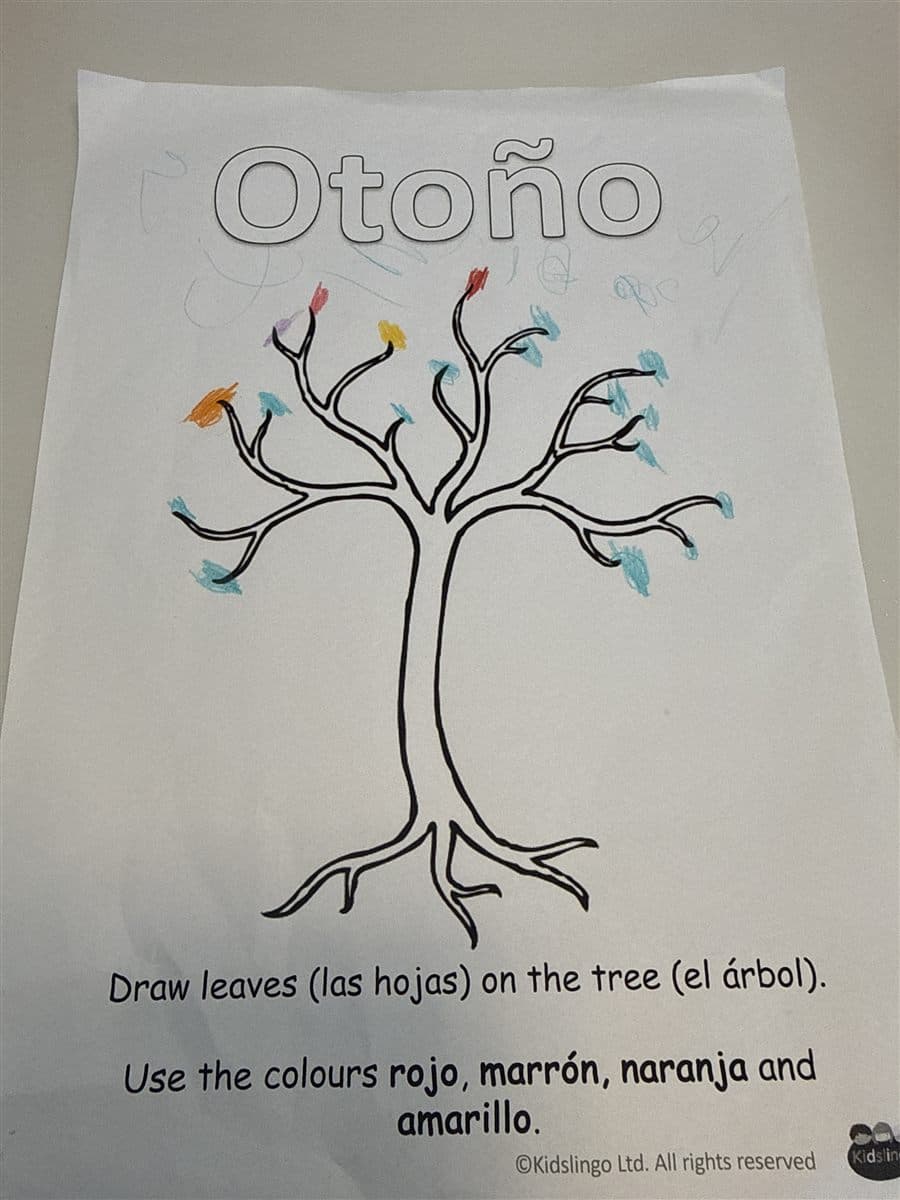
No, home educating families in England do not have to follow the National Curriculum. That can be a relief if your child needs a different pace, a different style, or a completely different route into learning. Some families use curriculum resources and schemes because they like structure. Others build their own plan from books, real life, outings, projects and interests.
If you would like help planning the year without overcomplicating it, our guide to planning a home education curriculum can help you choose resources and shape a routine that suits your family. Remember, a curriculum is an option, not a legal requirement.
How do families keep records of home education?
Record keeping does not need to be complicated. Many home educating parents keep a simple weekly note of what their child has done, read, made, practised or visited. Others keep a monthly summary, a photo album for personal memories, or a folder of useful notes. The best system is the one you will actually keep up.
For more information, see our Home Education Templates and Letters.
For more information, see our Flybrite Pricing Plans for Home Educators.
A tidy record can be especially reassuring if you are new to home education or if you have had contact from the Local Authority. It can also help you notice gaps, celebrate progress and remember what has worked well. Flybrite is built for exactly this kind of everyday life. Instead of trying to piece together evidence at the end of the term, you can log learning as you go and keep everything in one place. Thousands of UK families already trust Flybrite because it makes home education records feel manageable rather than overwhelming.
If you are looking for practical tools as well as record keeping, the Flybrite Shop has useful instant downloads for everyday home education life, from planning aids to printable learning resources.
What does a good home education day look like?
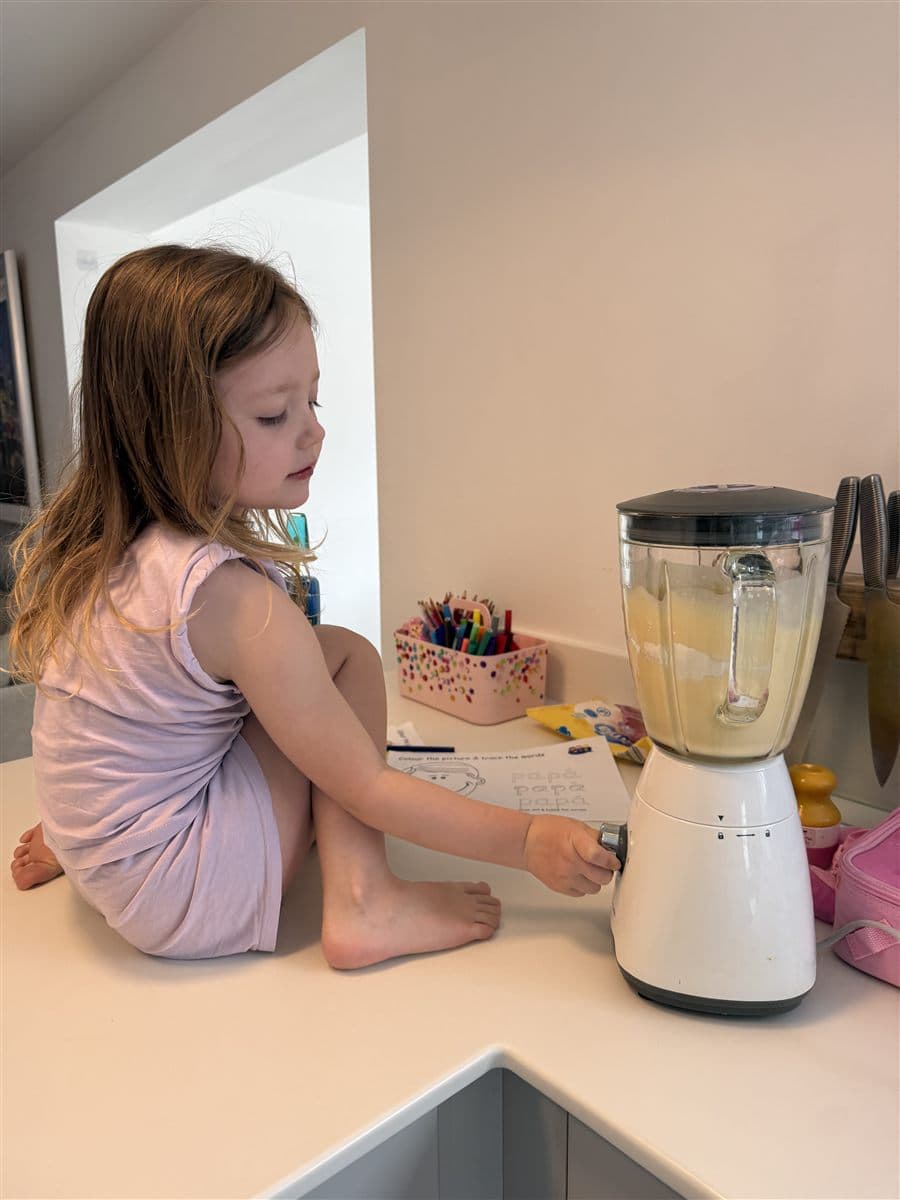
There is no single template. A good home education day might include reading together, a maths game, a walk in the park, cooking, a library visit, a science experiment, free writing, music practice or a museum trip. It might also include rest, conversation, chores and time for your child’s own interests.
For younger children, learning often happens through play, stories, movement and practical life. For older children, it may include more formal study, online courses, exam preparation or independent projects. Many families move between these as children grow.
If you are trying to build a rhythm that feels realistic, not perfect, you may also find our home education FAQs helpful for the everyday questions that crop up in the first year.
Can home educated children take GCSEs?
Yes, home-educated young people can take GCSEs as private candidates. Many families choose a mix of subjects, with some following exam specifications and others taking a broader or more flexible route. The key is to plan ahead, because private candidate entries, exam centres and deadlines can take time to arrange.
You do not have to decide everything at the beginning. Some children begin with a broad, interest-led stage and move towards exam preparation later. Others prefer a more academic route from the start. Both can be valid. What matters is finding a path that fits your child’s needs and the family’s capacity.
What support is available for UK home educating families?
Support can come from many places. Libraries, museums, local groups, sports clubs, nature reserves, community classes, online communities and other home educating families can all be helpful. Some areas have active meet-ups and informal networks. Others are quieter, so you may need to build your own support circle slowly.
It is also worth looking at free resources and templates that save you time. Our home education resources hub brings together helpful guides, and our free letters, planners and checklists can make the practical bits easier, especially when you are juggling a lot at once.
- Start small. You do not need a perfect timetable on day one.
- Keep a simple record. A weekly note is often enough to begin with.
- Use your local area. Libraries, parks, museums and community spaces all count as learning opportunities.
- Choose resources that fit your child. One child may enjoy workbooks, another may prefer projects or practical tasks.
- Be flexible. What works in September may need changing by January.
- Keep communication calm and brief. If the Local Authority gets in touch, you can respond in writing and stay within what you are comfortable sharing.
How Flybrite helps UK home educating families
Home education is easier when you have a simple way to keep track of learning, routines and progress. That is where Flybrite fits in. It helps you log everyday moments, organise your records and feel ready if anyone asks how your child is being educated. You do not need to build a system from scratch, and you do not need to spend hours tidying up notes at the end of the month.
For families who like practical tools, Flybrite also offers useful downloadable resources in the Flybrite Shop. If your child enjoys neat, visual supports or you want a few ready-made extras for quieter moments, those can be a nice bonus alongside your main home education routine.
Most importantly, Flybrite is built for real UK home educating life. It supports families who are structured, flexible, eclectic or somewhere in between. Whether you are logging a library visit, a maths game, a project, a nature walk or a reading session, it helps you keep a clear record without turning home education into paperwork.
Frequently asked questions
Does home education exist in the UK?
Yes, but the UK term is home education. Families educate children at home for many different reasons, and it is a lawful option when done in line with the rules for your nation.
Do I need Local Authority approval to home educate?
No, not in England and Wales for a mainstream school place. You do not need permission to home educate, although the rules differ for special schools and differ again in Scotland and Northern Ireland.
Do I have to send work samples or photos to the Local Authority?
No. You are under no legal obligation to produce specific evidence. If you keep photos or samples, they are for your own records only.
Do I have to follow the National Curriculum?
No. The National Curriculum is not required for home education in England. You can choose the resources and approach that suit your child.
Can home educated children take GCSEs?
Yes. Home-educated young people can take GCSEs as private candidates, but it is sensible to plan early because exam centres and deadlines vary.
Conclusion
So, does home education exist in the UK? Yes, but the everyday UK reality is home education, and it gives families a lot of freedom to build something that genuinely fits their child. You do not need to copy school, you do not need to follow the National Curriculum, and you do not need to panic if you are still finding your feet. Start with the basics, keep a simple record, and choose an approach that works for your family life.
If you want one less thing to worry about, start your free 7-day trial of Flybrite today. There is no card to start, and the record stays yours. See how everyday moments become a tidy, LA-ready record in minutes, and make home education feel much more manageable.