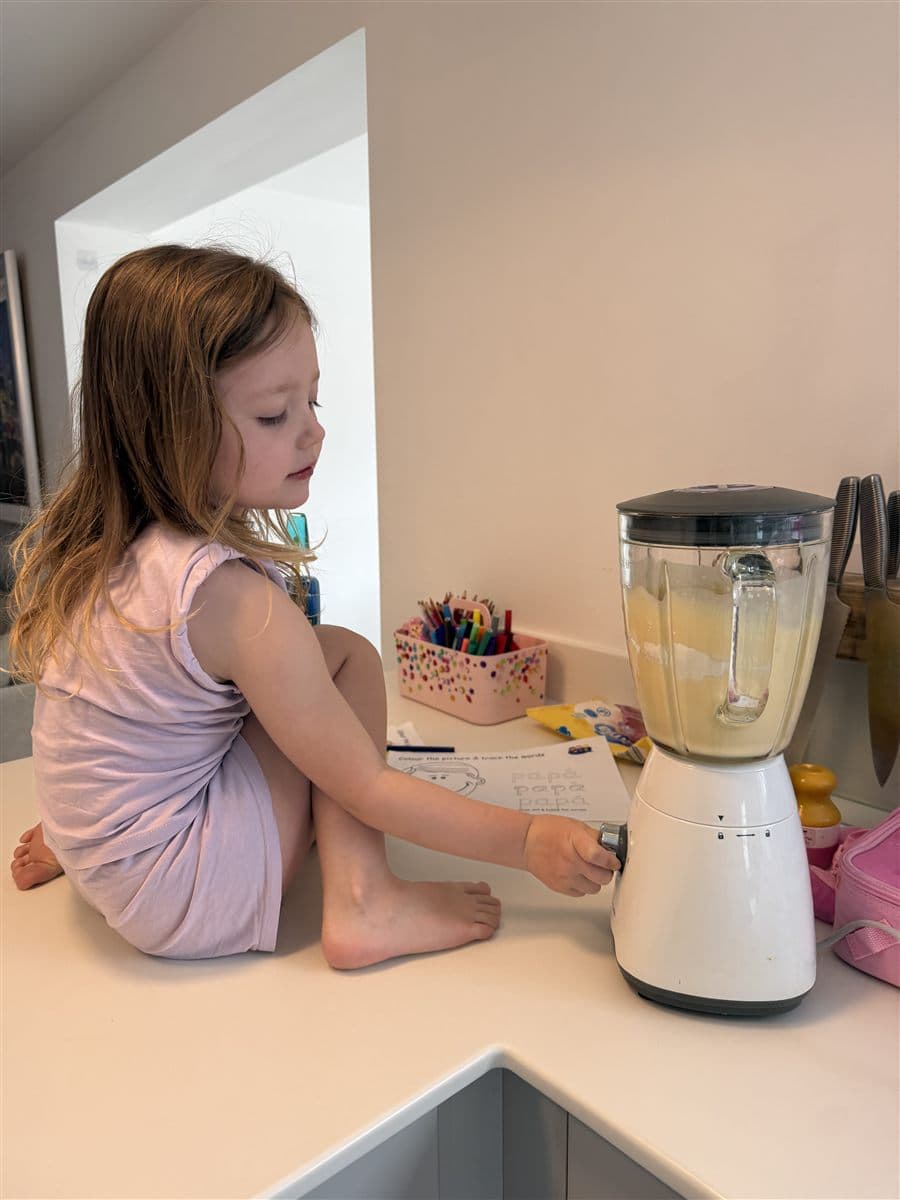
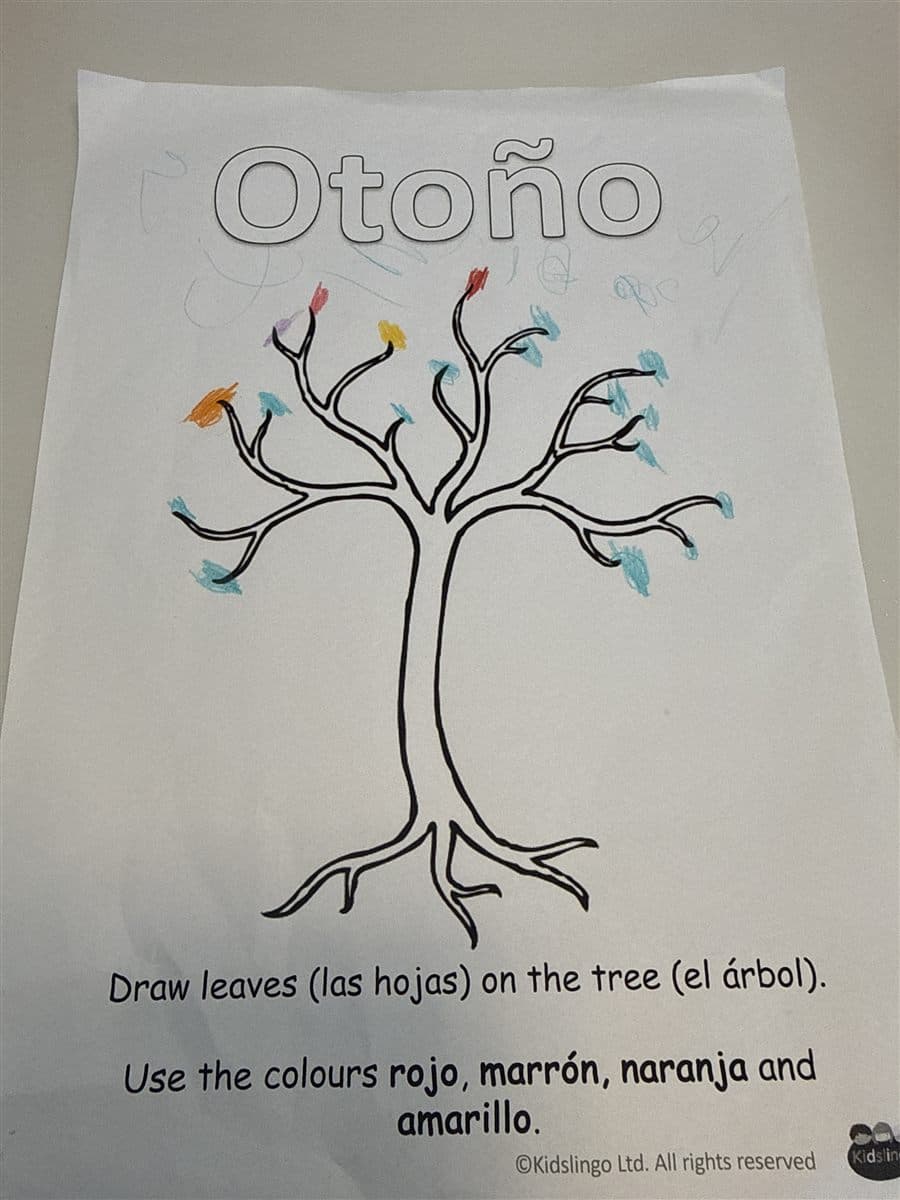
If you are wondering whether you can take responsibility for your child’s education yourself, the short answer is yes. Families across the UK educate their children at home in many different ways. You do not need to be a qualified teacher, follow the National Curriculum in England, or recreate a school day at your kitchen table. You do need to understand the rules where you live and make a plan that works for your child and family.
This guide explains how to get started, what happens if your Local Authority makes enquiries, and how to find learning and social opportunities. The law differs between England, Wales, Scotland and Northern Ireland, so check the section for your nation before sending any notice or withdrawing your child.
Is it possible to educate your child at home in the UK?
Yes. Parents can take responsibility for their child’s education at home, although the exact process depends on where you live and whether your child is enrolled at a mainstream or special school. You do not need to be a teacher or have a teaching qualification. You can choose an approach that suits your child and circumstances, and change it as you go.
In England, section 7 of the Education Act 1996 places a duty on parents to ensure their child receives an efficient, full-time education suitable to their age, ability and aptitude, and to any special educational needs. The law does not require you to follow the National Curriculum or deliver formal lessons. Families may use structured plans, projects, everyday activities, interest-led learning or a mixture. These are descriptions of possible approaches, not legal categories you need to select. Read about home education methods different home education approaches if you are weighing up what might suit your family.
Home education is a significant responsibility, but you do not have to have every subject, resource or future qualification mapped out on day one. Begin with your child, their needs and interests, and the practical realities of your week. start home education uk Getting started with home education can help you turn that first decision into manageable next steps.
Why are so many children being educated at home?
There is no single reason families choose home education. Some children have been unhappy at school or are struggling with anxiety, bullying, unmet additional needs or the pace and demands of a school environment. Others have health needs, family circumstances, travel commitments, or a strong interest that is difficult to accommodate within a school timetable. Some parents simply feel that a different kind of education will suit their child better.
Families do not need to prove that school has failed before they can consider home education. Equally, it is worth thinking carefully about the change: who will take day-to-day responsibility, what support is available, how the household budget might change, and how your child feels about it. If your child is at school now, listen to their concerns without expecting them to make the decision alone.
An autism friendly home education plan, for example, might allow more time for recovery after busy days, predictable routines, focused interests and flexibility around sensory needs. There is no single autism-specific method. Ask your child what helps, make reasonable adjustments to your plans, and seek relevant professional advice where it is useful. You can also explore uk home education requirements the legal position and your responsibilities before deciding.
How can you legally take your child out of school?
The procedure depends on your UK nation. Do not assume the same withdrawal rules apply everywhere.
England and Wales
If your child attends a mainstream school, write to the headteacher or proprietor to give notice that you are taking responsibility for their education at home and ask for your child’s name to be removed from the school roll. You do not need the Local Authority’s permission. If your child attends a special school, you need the Local Authority’s consent before withdrawing them. Check the details with your council and read more about home education rights and responsibilities.
Scotland
If your child has been attending a public school, you must obtain the education authority’s consent to withdraw them under section 35 of the Education (Scotland) Act 1980. Contact your council before taking action. The process is different from the notice procedure in England and Wales.
Northern Ireland
You do not need Education Authority permission to withdraw a child from a mainstream school. Tell the school principal. If your child attends a special school, contact the Education Authority, as its permission is required.
Keep a copy of your letter or email and note when you sent it. If you are considering whether to deregister your child from school, check the school type and nation first, particularly if your child has an Education, Health and Care Plan or attends a special school. A practical deregistration letter withdrawal letter and planning checklist can help you organise the paperwork.
How long does it take to deregister a child from school?
In England and Wales, a written notice for a child at a mainstream school can usually be acted on once the school receives it, but the administrative process and the school’s response may take time. There is no general requirement to wait for Local Authority approval. Ask the school to confirm in writing when the pupil roll has been updated, and keep your own copy of the notice.
For a child at a special school in England or Wales, allow time to obtain Local Authority consent before withdrawal. In Scotland, you must wait for the education authority’s consent if your child has been attending a public school. In Northern Ireland, tell the principal for a mainstream school; special-school arrangements involve the Education Authority. These differences mean there is no single UK-wide number of days for withdrawing a child.
Some parents plan to withdraw during the summer, while others act at another point in the school year. If you hope to deregister from school over the summer, send any required notice or application early enough to resolve questions before term begins. But do not assume that summer is a legally required window. For Scotland and special-school cases, factor in the relevant consent process.
What happens after you take responsibility for education?
In England, the Local Authority has a duty under section 436A of the Education and Inspections Act 2006 to make arrangements to identify children who appear not to be receiving a suitable education. This does not mean the authority approves, accredits, inspects or routinely monitors your home education. It may make informal enquiries to understand whether suitable education appears to be taking place.
A home visit is voluntary, as is responding to informal enquiries. You can ask what information the authority is seeking and choose to provide a written account instead of accepting a visit. However, if you provide nothing, the authority may conclude that it cannot see evidence that the education appears suitable. The approach and legislation differ across the UK, so check the guidance for your own council and nation. local authority Find out more about Local Authority enquiries and reports.
How to respond to a Local Authority visit or enquiry
If the council contacts you, take a breath and read the request carefully. Ask for the questions or concerns in writing, clarify the response date they are requesting, and keep copies of your correspondence. You may choose to respond with a parent’s written account describing what education you provide, how it suits your child, and how you review or adapt it. Explain the broad activities, resources and opportunities that are part of your child’s education. A clear, honest account is more useful than trying to make home life look like a school.
You are not legally obliged to produce specific evidence, work samples or photographs. Do not send copies of your child’s work or photos as if the authority is entitled to them. If you want to keep photographs or examples for your own family record, that is your choice, not a requirement. A visit is not compulsory either. If you prefer a written exchange, say so politely and ask what information would address the council’s stated concern. For practical help with a local authority visit about home education, focus on calm communication and an accurate account, rather than preparing a performance.
Flybrite can help you turn everyday learning into a tidy record in minutes, so it is easier to keep track of activities and prepare a clear account if you choose to share one. home education platform See how Flybrite works for logging learning and organising your records. The record stays yours, and using a tool does not create a legal obligation to submit evidence.
How many children are home educated in the UK in 2026?
There is no single, complete UK-wide count that can be presented as an exact 2026 total. Education is devolved, data is gathered differently across the nations, and the picture can change during the year. England’s Local Authorities publish or collect figures at different times, while figures for Wales, Scotland and Northern Ireland may use different reporting methods. A headline number may therefore refer to England alone, a particular date, or a subset of known children, rather than every home-educated child in the UK.
When you see home education statistics for 2026, check what area and date they cover, how the data was collected, and whether it is an estimate or an official return. Do not treat a local figure as a UK total. The proposed Children Not in School register provisions in the Children’s Wellbeing and Schools Act 2026 received Royal Assent on 29 April 2026, but those provisions are not yet in force. They commence only on a day appointed by regulations. As things stand, do not mistake the future register for a live UK-wide register or a current requirement to register.
What about social opportunities and learning beyond home?
Social opportunities do not have to come from one place. Children may meet friends through local home education groups, sports clubs, music or drama sessions, youth organisations, volunteering, faith communities, libraries and shared-interest activities. Museums, galleries, nature reserves and community events can also bring learning and conversation into the week.
For families searching online for “home education socialisation UK”, the useful question is really how to build regular, enjoyable social contact for your particular child. Some children thrive in larger groups; others prefer one or two familiar friends or structured activities with clear expectations. Ask your child what they enjoy, and allow time for friendships to develop. Social contact does not need to look exactly like a school playground to be meaningful.
Try one activity at a time before filling the calendar. Check travel time, cost, accessibility and whether the group feels welcoming. Libraries often have free activities, and museums may offer family events or quiet visiting times. A gentle routine can give your child something to look forward to without turning every day into a timetable.
Practical tips for beginning home education
- Check the rules for your nation. Confirm whether you need to send notice or obtain consent, especially for a special school or a public school in Scotland.
- Talk as a family. Discuss what your child hopes will change and what they might miss. Make space for worries as well as excitement.
- Start simply. You might begin with reading, conversation, practical tasks, library visits, hobbies and a few resources that interest your child. You do not need a complete curriculum before you start.
- Notice what is working. Keep brief notes for yourself about activities, interests and questions to return to. Adapt your plans as your child’s needs and circumstances change.
- Think ahead about qualifications. If your child may want GCSEs, research exam boards and local centres early. Home-educated learners generally enter as private candidates, and exam centres set their own arrangements and fees.
- Make room for rest. A change from school can be tiring, especially if your child has had a difficult experience. You can build up activities gradually.
There is no general funding entitlement for home education in England, so work out likely costs for transport, activities, materials and any exams. Families use everything from free library resources to paid tutors or courses. Materials can be useful, but buying lots of them is not a legal requirement and does not determine whether your education is suitable.
Frequently asked questions
Do I need permission from the Local Authority to educate my child at home?
For a mainstream school in England and Wales, you do not need Local Authority permission, but special-school cases require consent. Scotland requires education authority consent when withdrawing a child who has attended a public school. In Northern Ireland, mainstream withdrawal does not require Education Authority permission, while special-school cases do.
Do I have to follow the National Curriculum?
No, not in England. Parents are responsible for providing a suitable education, but the National Curriculum and formal lessons are not required. Check the rules and guidance relevant to your nation.
Do I need to join a home education register in the UK?
Do not assume there is a live UK-wide register or a present requirement to join one. The register provisions in the Children’s Wellbeing and Schools Act 2026 are not yet in force and depend on commencement regulations.
Can I refuse a Local Authority home visit?
In England, accepting a home visit is voluntary. You may choose to provide a written account instead. Consider responding to the concern raised, since providing no information may leave the authority unable to see that suitable education appears to be taking place.
Can I educate my child at home if I do not have teaching experience?
Yes. You do not need to be a qualified teacher. You can draw on books, community activities, online materials, everyday experiences and support from other people, while remaining responsible for your child’s education.
A steady start, at your family’s pace
Educating your child at home is possible, and it does not have to look like school. Get the withdrawal process right for your nation, learn what to expect from any Local Authority enquiries, and build a way of learning that fits your child and family. You can begin modestly and adjust as you learn what works.
If keeping track of the everyday learning feels like one more thing to manage, try Flybrite for 7 days free, with no card needed to start. The record stays yours. Flybrite Pricing Plans for Home Educators Start your Flybrite free trial and make your home education records easier to organise.