If you are just starting out, it can feel like there must be a long list of rules, forms and approvals before you can begin. The good news is that in England, elective home education is much simpler than many families expect. You are responsible for your child’s education, and you do not need the Local Authority’s permission to educate at home if your child is on a mainstream school roll.
This guide explains the main guidelines for home education UK families, in plain English, so you can feel more confident about what matters, what does not, and what to do next.
What elective home education means in practice
Elective home education simply means choosing to educate your child at home rather than through school. It can look very different from family to family. Some home educating parents use a structured plan, some use projects, some follow interests, and some mix several approaches. If you are still working out what suits your child, our guide to Different Approaches to Home Education can help you think it through without pressure.
There is no legal requirement to copy school at home. The National Curriculum is not compulsory for home education in England, and you do not have to use lessons, timetables or worksheets unless they suit your child and your family.
The main legal point: parents are responsible
In England, the duty under section 7 of the Education Act 1996 sits with parents. That means you must make sure your child receives a suitable education, either by regular attendance at school or otherwise. If you choose home education, the law does not require you to follow the school system.
If you want a fuller breakdown of your rights and responsibilities, see home education law. It is a useful place to start if the legal side feels a bit overwhelming.
What counts as a suitable education?
The law does not define a single method. In general, the education should be suitable to your child’s age, ability, aptitude and any special educational needs. That might mean reading, writing and maths, but it can also include science, art, practical life skills, music, outdoor learning, visits, projects and everyday learning at home.
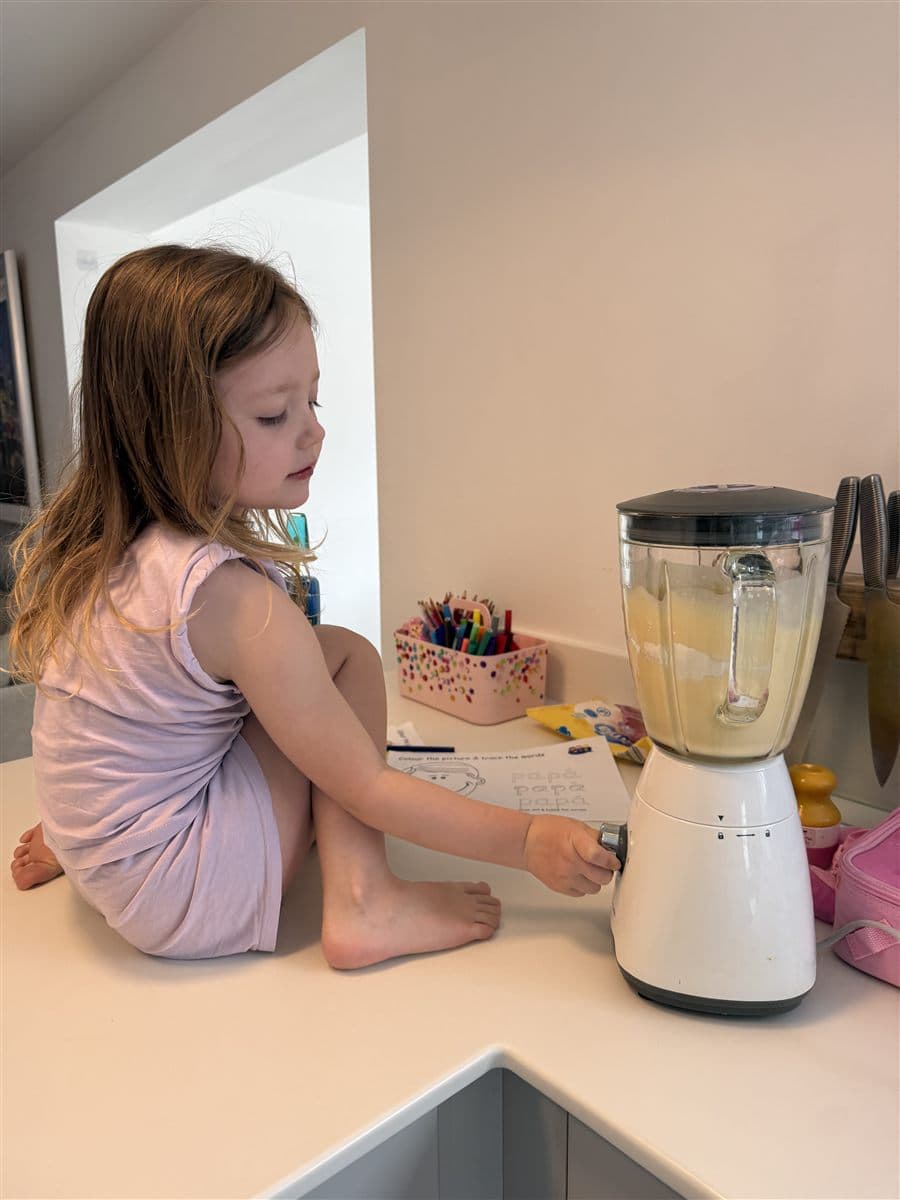
For many families, learning at home happens in ordinary moments too, such as cooking, budgeting, reading signs, using the library, visiting museums, or talking through a science question at the kitchen table.
What the Local Authority can and cannot do
In England, the Local Authority has a duty under section 436A to identify children who do not appear to be receiving a suitable education. It can make informal enquiries if it has concerns. That is different from approval, inspection or sign-off.
You do not need the Local Authority to approve your home education. You do not need it to inspect your plans. You do not need permission to use a particular approach. If you are dealing with contact from the Local Authority, our page on la contact explains the practical side in more detail.
Do you have to provide work samples or photos?
No. Parents are under no legal obligation to produce specific evidence, and that includes photographs or samples of your child’s work. If you choose to keep photos, files or examples for your own records, that is entirely your decision. The evidence that matters is your own written account of how your child is being educated.
Many families find it helpful to keep a simple note of what they have done, read or visited, especially if they want to look back over the year. Flybrite is built for exactly that, turning everyday learning into a tidy record in minutes, so you can keep track without turning family life into admin. You can read more about how that works at education management.
Do you need to register?
At the moment, there is no live home education register in England for elective home education families. A Children Not in School register was created by the Children’s Wellbeing and Schools Act 2026, but those sections are not yet in force. They will only begin when regulations appoint a commencement date.
That means you should not assume a new register is already operating. If and when the law changes, families will need to check the current position carefully. For now, the key point is that elective home education is lawful, and the current rules are the ones that apply.
How to start learning at home
If you are withdrawing from a mainstream school in England or Wales, you usually give written notice to the school. You do not need Local Authority permission for a mainstream school place. Special schools are different, so it is worth checking the position for your child’s setting before making any changes.
Once you begin, keep things manageable. You do not need to recreate school at home. Start with the basics: reading, maths, writing, and a few things your child enjoys. Then build from there. Some families prefer a structured term plan, others like a flexible rhythm. There is no single correct way.
Practical ideas that work in real life
- Use the library every week for books, audiobooks and quiet time.
- Visit museums, galleries, nature reserves and local heritage sites.
- Keep a simple reading log or learning note for your own records.
- Use everyday tasks, like shopping or cooking, for maths and life skills.
- Build in rest, movement and time outdoors, especially if your child finds busy days draining.
If you like having a clearer plan, our home education curriculum uk guide can help you think about what to cover across the year without making it feel rigid.
What about GCSEs and qualifications?
Many home-educated young people take GCSEs, but they do so as private candidates. That usually means arranging an exam centre separately and checking entry deadlines well in advance. You do not need to wait until the teenage years to think about this, but it helps to plan ahead if qualifications matter to your child.
For some families, qualifications are important. For others, they are one part of a wider picture. Both are valid. The right choice depends on your child, your plans and what feels realistic for your family.
What if you are worried about being judged?
That worry is very common. Many parents feel nervous at first, especially if they have only ever known school-based education. But elective home education does not need to be perfect, and it does not need to look like anyone else’s.
Focus on what your child needs now. Keep a light record for yourself. Use the resources around you. Ask for help when you need it. If you are gathering ideas, our home education resources hub is a good place to browse.
Approach-neutral guidance for real families
You do not have to choose one label and stick to it forever. Some families are structured for maths and reading, but relaxed for everything else. Some use child-led learning with a few planned anchors. Some work through projects, and some move between styles over time. The important thing is that the education suits your child and your circumstances.
If you are comparing options, it can help to read about different home education approaches and then borrow what fits rather than trying to force a perfect system from day one.
Simple steps you can take this week
- Decide what your child needs most right now, such as routine, reading support, or more freedom.
- Choose a simple way to note learning, such as a notebook, spreadsheet or app.
- Gather a few books, local places to visit and a handful of practical activities.
- Keep your approach flexible for the first few weeks.
- Remember that learning at home can be calm, ordinary and effective.
FAQ: elective home education guidelines in the UK
Do I need Local Authority approval for home education in England?
No. If your child is on a mainstream school roll, you do not need Local Authority approval to educate at home. The Local Authority may make informal enquiries if it has concerns, but it does not sign off your provision.
Do I have to send work samples or photos to the Local Authority?
No. You are under no legal obligation to produce specific evidence, including photos or copies of work. If you keep them for yourself, that is your choice.
Is the National Curriculum required for elective home education?
No. The National Curriculum is not required for home education in England. You can use it as a guide if you want to, but you do not have to.
Do I need to register on a home education register in the UK?
Not at present for elective home education in England. A register has been created in law, but it is not yet in force.
Can my child take GCSEs if they are home educated?
Yes. Many home-educated young people take GCSEs as private candidates. You will need to arrange entries with an exam centre.
Final thoughts
Elective home education in the UK is not about proving yourself to anyone. It is about making sure your child gets a suitable education in a way that works for your family. Start small, keep it steady, and remember that you do not need to do everything at once.
If you want an easier way to keep a record of learning without piles of paper, try Flybrite’s 7-day free trial, no card to start, and the record stays yours. You can get started here: home education costs.