Home education does not require a cupboard full of specialist equipment, a costly curriculum or a perfectly organised timetable. The most useful tools are the ones that make everyday life easier for your family, whether that means finding books, keeping track of plans or connecting with other home educators.
Here are five practical tools to try. Think of them as options, not essentials: you can adapt, combine or skip anything that does not suit your child or your circumstances.
1. A simple planner that works for your family
A planner can help you see what is coming up and reduce the mental load of juggling activities, appointments and interests. It does not need to look like a school timetable. A notebook, wall calendar, shared digital calendar or weekly list can all do the job.
Make planning manageable
- Start with fixed commitments, such as clubs, appointments and family plans.
- Add a short list of ideas or resources you would like to explore, rather than filling every day.
- Leave room for rest, changes of plan and interests that appear during the week.
- Review what worked together, then adjust the next week without treating the plan as a test.
Some families enjoy planned activities and regular routines. Others prefer a flexible approach that follows questions and interests as they arise. Many mix the two, and it is fine for your approach to change over time. For an overview, read our guide to different home education approaches.
2. Your local library and free community resources
A library card can open up a steady supply of books, audiobooks and other resources without the cost of buying everything. Libraries may also host events, reading groups or activities for children, so ask what is available locally. If a particular book is not on the shelf, staff may be able to help you look for it through their catalogue or request system.
Broaden your idea of a learning resource, too. Museums, galleries, parks, nature reserves, community groups and local events can all spark questions and conversations. Check opening times, booking requirements and any costs before you go. You do not need to turn every outing into a formal lesson: enjoying a place together can be worthwhile in itself.
For low-cost ideas, keep a note on your phone or in a notebook. Add free events, useful websites, library opening hours and places your child has asked to revisit. That small list can make it easier to find something to do when inspiration runs low.
3. A small collection of creative and practical materials
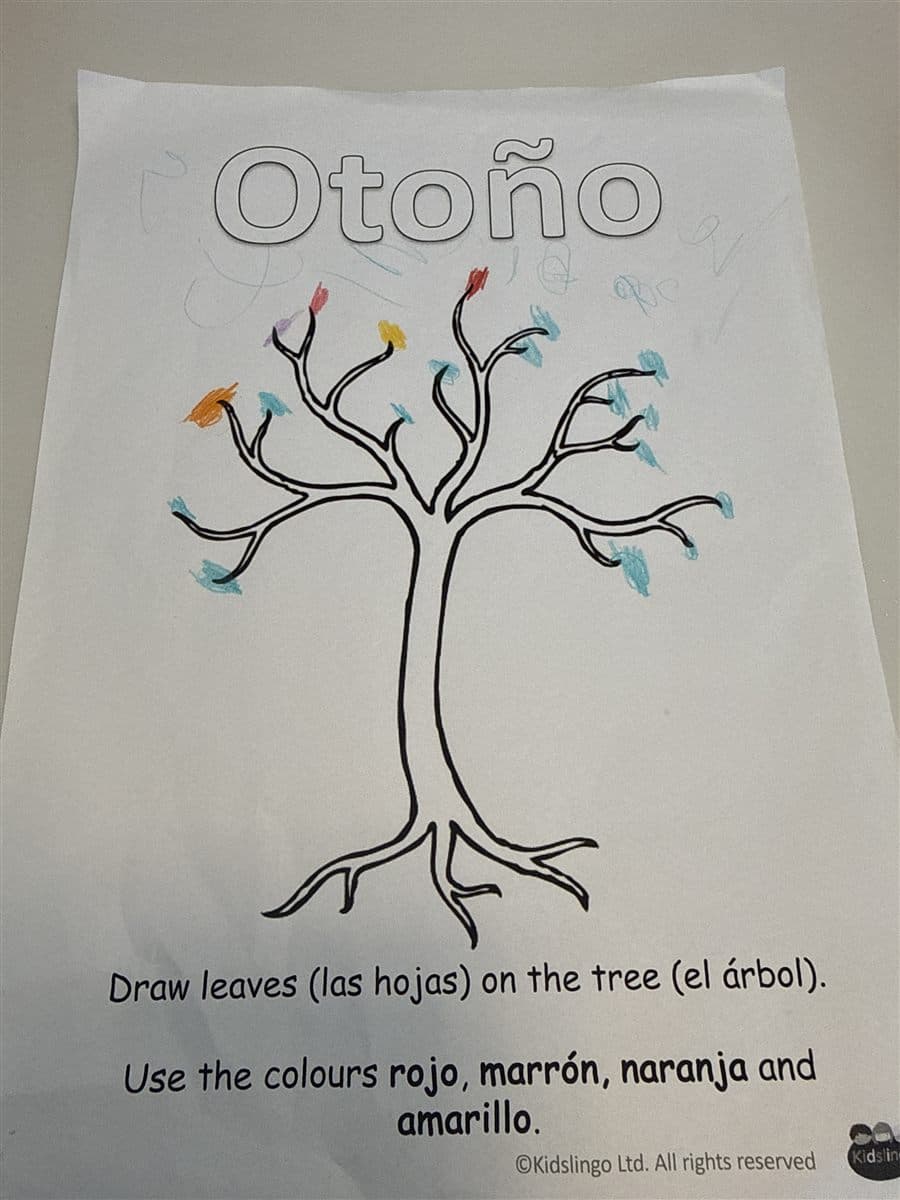
Useful resources do not have to be expensive or purpose-made. Paper, pencils, scissors, glue, building materials, recycled packaging and items from outdoors can support drawing, making, experimenting and imaginative play. Choose what fits your space, budget and child’s interests rather than buying a complete set of everything.
Build a flexible resource box
Try keeping a few everyday materials together in an accessible box or drawer. You might include plain and coloured paper, pens, tape, a ruler, a notebook and materials saved for making things. Add or remove items as interests change. If your child is keen on cooking, gardening, maps or music, a few relevant resources may be more useful than a general collection.
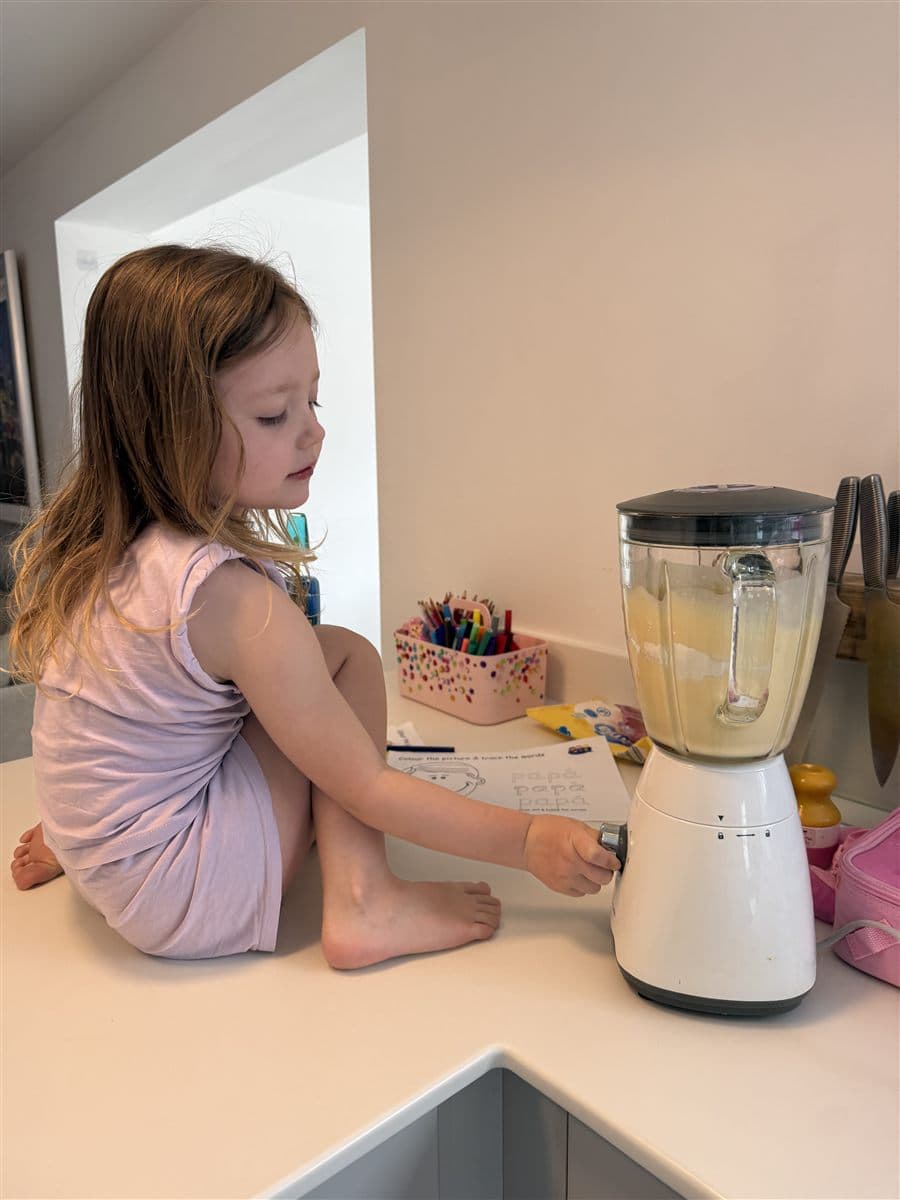
Everyday activities can offer opportunities to explore ideas, too. Cooking together may prompt measuring and planning; a walk may lead to questions about plants, buildings or weather. There is no need to label every activity as a lesson for it to be meaningful.
4. Digital tools, with privacy and balance in mind
A tablet, computer or phone can help you find information, listen to audiobooks, create projects and stay in touch with groups. Free websites and apps can be useful starting points, but they are only tools. You can choose screen-based resources when they suit your family and balance them with offline activities, conversation and time outdoors.
AI tools can help generate ideas, explain a topic in different words or suggest questions to explore. Treat their answers as a starting point, not a source to trust automatically: check important facts against reliable sources, particularly when a topic involves health, safety or current information. Avoid entering personal details about your child, family or other people into AI services, and check the service’s privacy settings and age guidance before use.
Try a tool for one specific purpose and see whether it genuinely helps. If it creates more work, distraction or expense than value, you can leave it aside. No app is a requirement for home education.
5. A supportive home education community
Connection with other families can provide practical suggestions, encouragement and chances to meet people who understand your day-to-day experience. Look for local groups, meet-ups, interest-based activities and online communities. You might find a group through a library, community centre or recommendations from other parents.
There is no single right amount of social activity. Consider what your child enjoys, what is manageable for your family and whether a group feels welcoming. A regular club, occasional meet-up or shared activity with a few families may be enough. Give new groups time, but trust your judgement if the fit is not right.
Flybrite is a home education app and community platform designed to help families find connection and useful support. You can also explore our guide to finding community as a home educator for ideas on getting started.
Choose tools that serve your family, not the other way round
It is easy to assume that successful home education depends on buying the right resources or following a polished system. In reality, families make choices that fit their children, interests, circumstances and available time. Some use structured resources, while others build their days around projects, everyday experiences or a blend of approaches. Resources and plans can be changed whenever they stop being useful.
If you are just beginning, take one small step at a time. Our getting started guide can help you think through the practicalities and explore your options without feeling you need to have everything worked out at once.
Find your people with Flybrite
You do not have to figure everything out alone. Join Flybrite to explore a supportive community and practical resources for your home education journey. Start with what would help your family today, then build from there at your own pace.