Is your child approaching school age and are you wondering whether you have to send them to school? It is a common worry, especially when family and friends talk about reception places or starting dates. The short answer is that school starting ages and the age education becomes compulsory are not always the same. You can also meet your responsibilities through home education.
This guide explains the broad rules across the UK, what to check for your child and where to find support. Because education law differs between England, Wales, Scotland and Northern Ireland, make sure you use the guidance for the nation where you live.
School starting age and compulsory education age are different
In some parts of the UK, children can begin school before they are legally required to receive an education. Reception in England and Wales usually starts in September, when children are four or five. A child may therefore have a school place before reaching compulsory school age.
In England and Wales, compulsory school age begins on the prescribed date after a child’s fifth birthday. Depending on their birthday, this is 31 August, 31 December or 31 March. This means children do not all reach compulsory school age on their fifth birthday. Check the date that applies to your child with your Local Authority (LA).
How the rules differ around the UK
- England: Reception is generally for children aged four to five. Compulsory school age begins on the prescribed date after the fifth birthday.
- Wales: School often starts in the September after a child turns four. Compulsory school age begins on the prescribed date after their fifth birthday.
- Scotland: Children usually start primary school in August, with the exact year depending on their birthday and the school entry rules. Compulsory education starts at five. Ask your council about the appropriate entry year and any deferral options.
- Northern Ireland: Primary 1 entry is generally for children who are four or turning four during the relevant school year. Compulsory education begins at four, so check the current Education Authority guidance for your child’s circumstances.
These are general guides, not a substitute for checking local dates and arrangements. If your child has additional needs or you are considering delaying a school start, ask the relevant council or Education Authority what options apply.
Can your child learn at home instead?
Yes. Families can educate a child at home rather than send them to school, and there is no single required way to do it. If you are weighing up your options, this guide to understanding home education and your rights is a useful place to begin.
In England, the legal duty under section 7 of the Education Act 1996 is on parents to make sure their child receives an efficient, full-time education suitable to their age, ability, aptitude and any special educational needs. It can be provided at school or otherwise. You do not need LA approval to begin home educating a child who has not been enrolled at school, and the National Curriculum is not compulsory for home education.
Wales, Scotland and Northern Ireland have different legal arrangements. In England and Wales, if a child is already at a mainstream school, parents generally give written notice to the school; LA permission is not required. Scotland is different: you must get the council’s consent to withdraw a child who has been attending a public school. In Northern Ireland, no Education Authority permission is needed to withdraw from an ordinary school, but you should tell the principal. Special school arrangements differ, so seek nation-specific advice before acting.
What does elective home education look like?
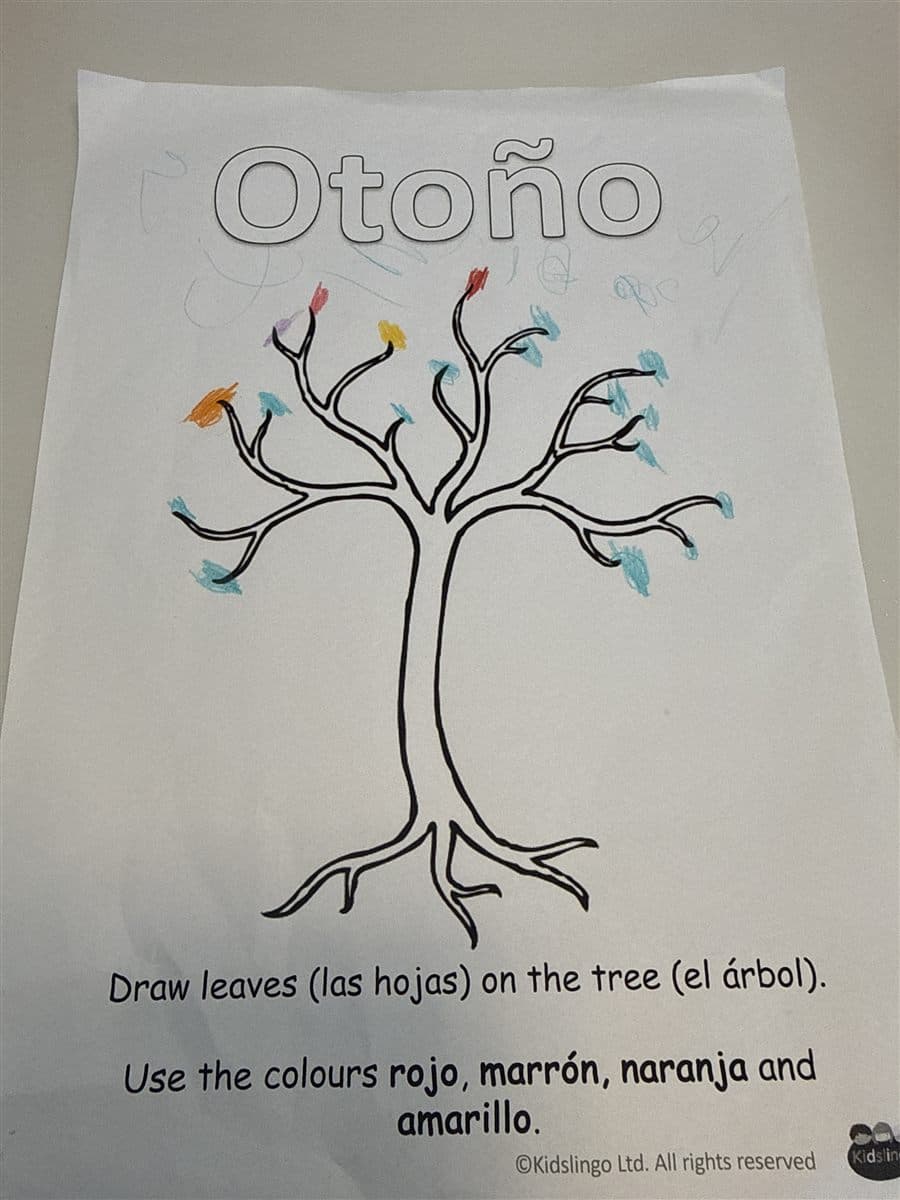
Elective home education (EHE) simply describes a parent’s choice to provide education outside school. It is not a particular teaching method. Some families use planned lessons or curriculum resources, while others build learning around projects, everyday life or a child’s interests. Plenty combine approaches and change as their child grows. You do not have to choose or register a named approach. Read about different home education approaches if you would like ideas.
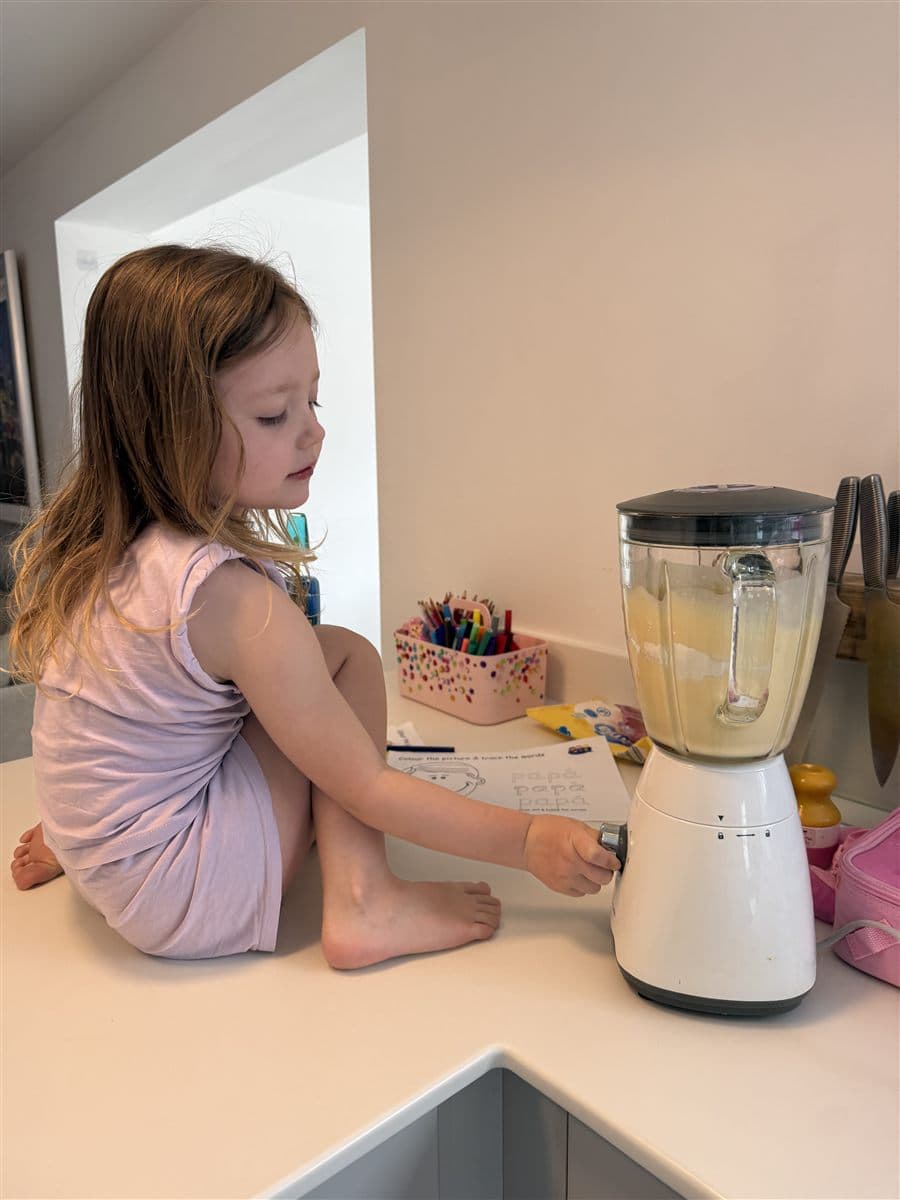
Learning at home can include reading together, cooking, visiting a library, exploring a local museum, nature walks, practical projects and time to follow questions that matter to your child. There is no need to recreate a school day at your kitchen table. For help taking your first steps, see getting started with home education.
What happens if the LA gets in touch?
In England, the LA has a duty to identify children who may not be receiving a suitable education. It may make informal enquiries. A home visit and a response to informal enquiries are voluntary, but providing no information may lead the authority to conclude that education does not appear suitable. The relevant guidance says parents are under no legal obligation to produce specific evidence. You are not required to send photographs or samples of your child’s work.
If you choose to reply, your own written account can explain what your child is learning and how the education suits them. Keep notes for your family if that is useful. Flybrite can turn everyday learning moments into a tidy, LA-ready record in minutes, with the record staying yours. Find out how Flybrite works or read the guide to LA enquiries and reporting.
Practical steps if your child is nearly school age
- Check your child’s birthday against the school entry and compulsory education dates for your nation.
- Decide whether school, home education or a little more time to consider feels right for your family. Ask about deferral options if relevant.
- If your child is already on a school roll, check the correct withdrawal process before taking action, especially in Scotland or if they attend a special school.
- Think about a realistic starting rhythm. You might begin with books, outings, play, projects or a simple plan, then adjust as you learn what works for your family.
- Remember that there is no general funding entitlement for home education in England, and the Children Not in School register provisions created by the 2026 Act are not yet in force.
Frequently asked questions
Can my four-year-old be home educated in England?
Yes. School attendance is not compulsory simply because your child is offered a reception place. Your responsibility is to ensure suitable education once they reach compulsory school age.
Do I have to follow the National Curriculum when learning at home?
No. In England, home educators do not have to follow the National Curriculum. Your child’s education should still be suitable for their age, ability, aptitude and any special educational needs.
Do I need to register for home education in the UK?
There is no general requirement to register a child who has never attended school. The Children Not in School register provisions are not yet in force. Rules and processes vary across the UK, so check your nation’s guidance.
Can I home educate for a while before deciding about school?
Families can make different choices as circumstances change. Check compulsory education dates and any school withdrawal requirements that apply where you live before making plans.
You can take this one step at a time
There is no single right age or style of learning for every child. Check the rules where you live, take time to consider your family’s needs and remember that home education can grow and change with your child. If you would like a calmer way to keep a record of learning, start a 7-day free trial, with no card needed to start. The record stays yours.