If you’ve ever stared at a blank page and wondered how to do a report for home education, you are not alone. Many home educating parents want to keep a sensible record of progress, but do not want something that feels like school paperwork. The good news is that a report can be simple, personal and useful, and it does not need to be formal or time-consuming.
For most UK home educating families, the aim is to create a clear written account of what your child has been doing, what they are interested in, and how they are progressing. In England, the law places the duty on parents under section 7 of the Education Act 1996 to provide a suitable education. You do not need Local Authority approval, and the National Curriculum is not required. If you want a fuller overview of your rights and responsibilities, our guide to understanding home education law is a helpful place to start.
This guide will show you what a home education report can include, how to write one without overcomplicating it, and how to keep it genuinely useful for your family. If you like the idea of keeping things tidy from the start, our starting home education guide and different home education approaches article may also help you shape a routine that suits your child.
What is a home education report?
A home education report is simply a written summary of your child’s learning. It is usually written by the parent or carer who is home educating, and it can cover a term, half term, year, or any period that suits your family. Some families use it for their own planning, some like it as a record for a Local Authority conversation, and others keep it for future reference when applying for exams, college or apprenticeships.
For more information, see our Home Education Templates and Letters.
For more information, see our Getting Started with Home Education in the UK.
Think of it as a snapshot of your child’s home education journey. It is not a test, not a judgement, and not a school-style assessment. It can be as short or detailed as you need, as long as it gives a fair picture of what has been happening.
Why write a report at all?
You do not have to write a report in a particular format for home education in England, but many families find it helpful. A report can:
- help you notice progress you might otherwise miss
- make planning easier for the next term or year
- give you a calm written record if a Local Authority makes informal enquiries under section 436A
- support transitions, such as GCSEs as a private candidate, college applications or moving house
- reassure you that your child is learning in a way that suits them
Many families also find that a report reduces stress because it gives them one place to gather their thoughts. If you want to keep the process simple, Flybrite is designed to turn everyday moments into a tidy, LA-ready record in minutes, without making your home education feel like admin.
What should a home education report include?
The best report is one that reflects your child and your family. You do not need to copy a school report format. A useful report usually includes a mix of the following:
1. Basic details
Start with the basics, such as your child’s name, the period covered, and the main approach your family has been using. You do not need to label your family with one fixed method if that does not fit. Many home educating families use a mix of structured work, projects, everyday learning and interest-led activities.
2. What your child has been learning
Write about the main subjects, themes or activities your child has explored. This might include reading, writing, maths, science, history, art, music, physical activity, nature study, life skills or practical learning around the home. If your child has been following a curriculum resource, you can mention that, but a curriculum is only one option, not a requirement. For planning support, see our home education curriculum planning guide.
3. Progress and achievements
Describe what your child can do now that they could not do before, or what is becoming more confident. This might be reading more fluently, understanding fractions, writing longer sentences, cooking independently, or building confidence speaking to other people. Progress does not need to be dramatic to be meaningful.
4. Interests and strengths
It helps to note what has captured your child’s attention. Perhaps they have become fascinated by trains, insects, baking, coding, sewing, or ancient history. These interests often lead to rich learning, and they help you plan future activities that feel relevant and motivating.
5. Challenges and changes
If something has been difficult, you can mention it honestly. Maybe your child has needed more rest, has been recovering from illness, or has found a particular subject frustrating. A good report is realistic, not perfect. It can also show how you adapted, which is often a sign of thoughtful home education.
6. Next steps
Finish with a short note about what you plan to do next. This might include continuing phonics, moving on to multiplication, joining a local group, visiting museums, starting a project, or preparing for exams. If you need free planning help, our free letters, planners and checklists can save a lot of time.
How do you write a report for home education?
The easiest way is to keep it simple and write in plain English. You are not trying to impress anyone. You are trying to give a clear account of your child’s learning.
A simple step-by-step method
- Choose your time period, for example one term or one year.
- Gather your notes, such as books used, outings, projects, photos for your own records, and any reminders in a planner.
- List the main learning areas, such as English, maths, science and wider interests.
- Write a short paragraph for each area, focusing on what happened and what changed.
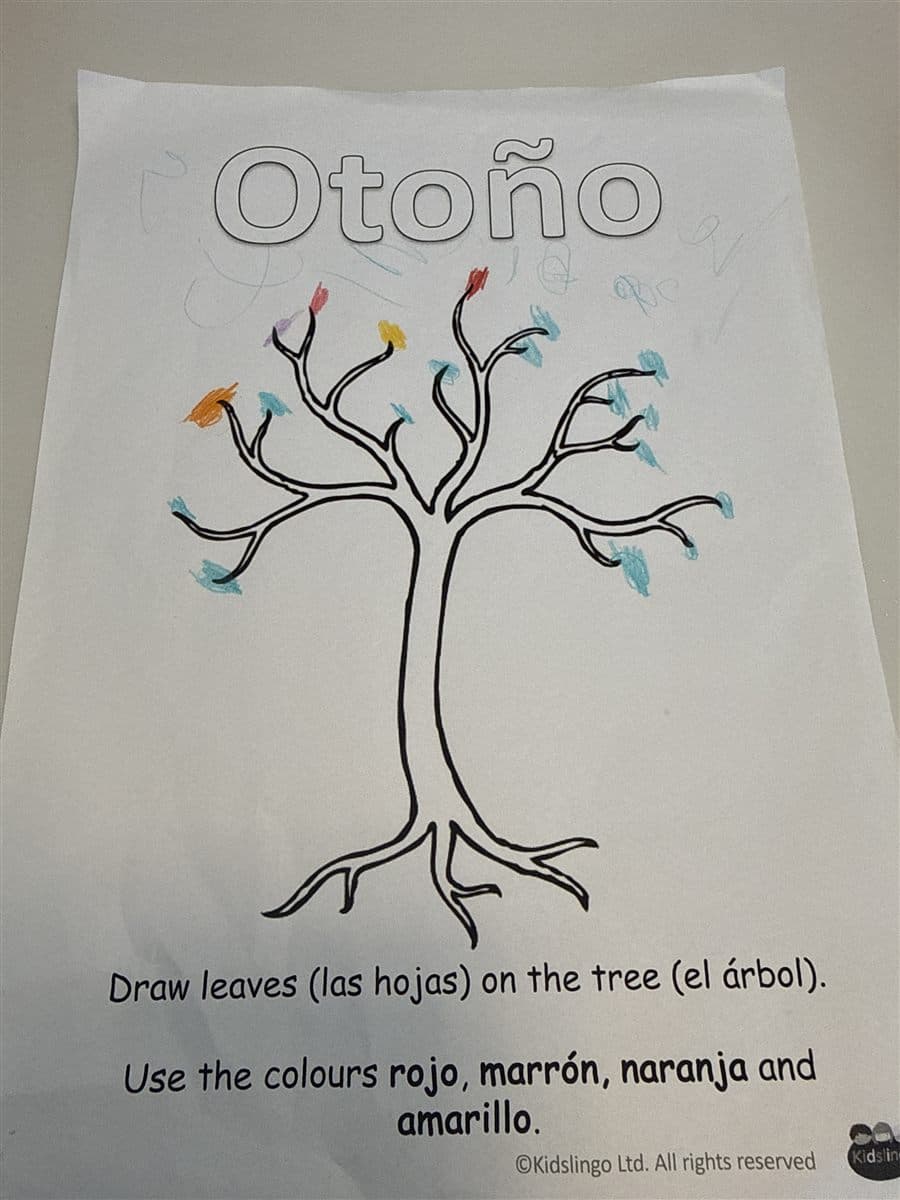
- Include a few examples that show learning in real life.
- End with next steps or plans for the coming weeks.
If you prefer to keep everything in one place as you go, Flybrite can help you log activities, notes and progress along the way, so that the report is already half done when you need it. That is often the difference between a stressful end-of-term scramble and a calm five-minute tidy-up.
What does a good home education report look like?
A good report is clear, honest and specific. It does not need to be long. In fact, many strong reports are just one to three pages. The important thing is that it shows your child is receiving a suitable education in a way that makes sense for them.
Here is a simple structure you can use:
- Introduction: brief overview of the period and your family’s approach
- Learning summary: what has been covered in each area
- Progress: what your child is doing better or more confidently
- Examples: a few real-life activities, projects or achievements
- Next steps: what you plan to focus on next
For many families, reports work best when they sound like a parent speaking plainly, not like a formal inspection document. If you are gathering ideas for different ways to organise learning, our guide to different home education approaches can help you decide what feels realistic.
Do you need photos, work samples or copies for a report?
No, not for a report in the sense of your own written account. The Department for Education guidance for parents says you are under no legal obligation to produce specific evidence. You do not need to send photographs, worksheets or copies of work to the Local Authority, and they are not something the authority is entitled to demand as a matter of law.
That said, many families keep photos, notes, books, certificates and examples for their own records because they can be useful later. Photos are best treated as private family records, not as required evidence. If you want to understand how Local Authority contact usually works, our page on Local Authority enquiries and reporting explains the basics in plain English.
How detailed should a home education report be?
As detailed as it needs to be, but no more. If your child is young, a short report with a few examples may be enough. If your child is older, working towards GCSEs, or preparing for a transition, you may want more detail about subjects, resources and progress.
A useful rule of thumb is this: write enough that someone unfamiliar with your family could understand what your child has been doing, but not so much that the report becomes exhausting to produce. A calm, useful record is better than a perfect one.
What if your child learns in a very flexible way?
That is completely fine. Home education does not have to look like school at home. Some families use a structured plan, some use projects, some follow the child’s interests closely, and many mix approaches depending on the season, the child’s age and family life.
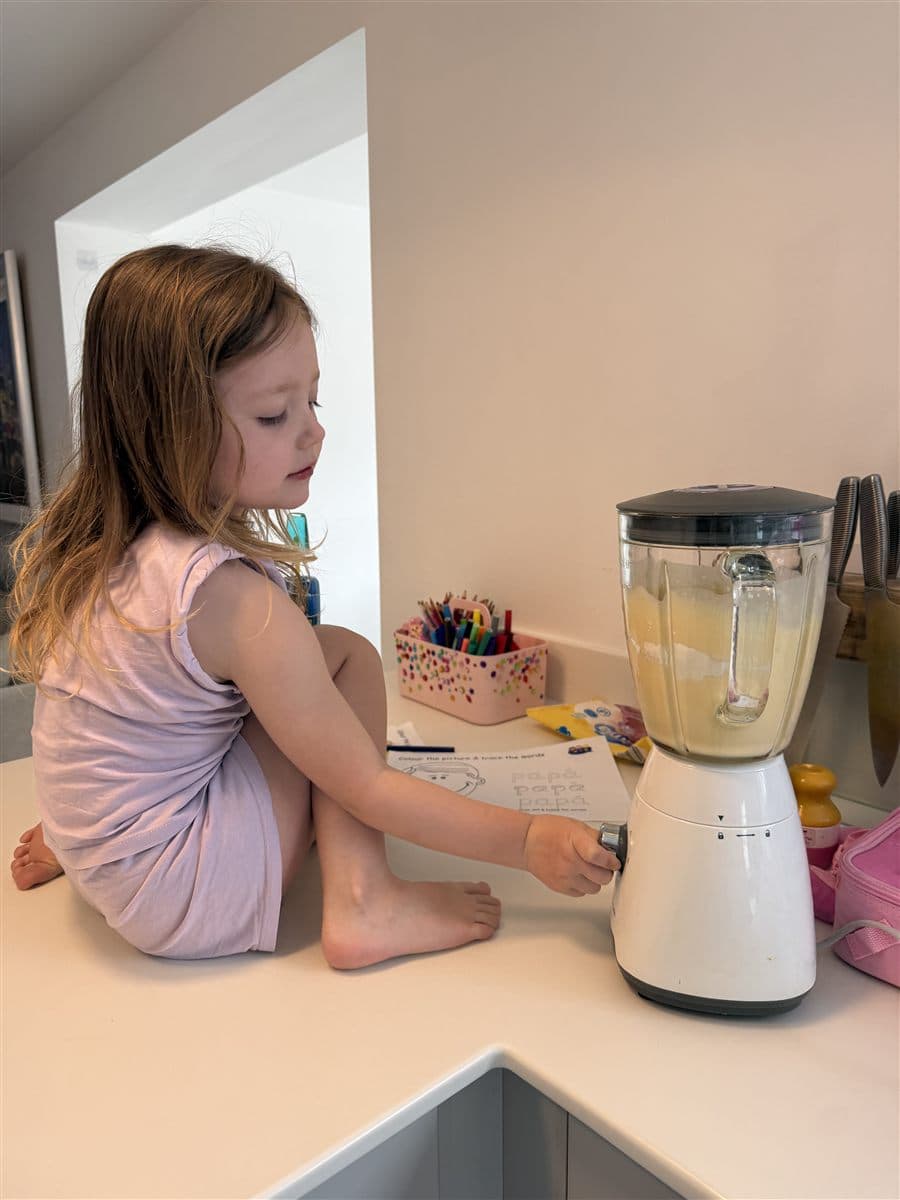
If your child learns through everyday life, outings, reading, conversation, games, practical tasks or spontaneous interests, your report can reflect that. For example, a week might include a museum visit, baking, a library trip, a maths game, a nature walk and independent reading. All of that counts as learning, and it is worth recording.
How do you report progress without school tests?
You do not need formal tests to write a useful report. Progress can be shown in many ways, including:
- more confidence
- greater independence
- longer attention span
- stronger reading fluency
- better problem-solving
- new practical skills
- more willingness to try difficult tasks
You can also mention completed books, projects, online courses, club activities, museum visits, volunteering, sports, music lessons or exam preparation. For older children, especially those taking GCSEs as private candidates, it can be helpful to note exam boards, revision plans and mock practice. If you are planning that stage, our home education resources hub has useful support.
How often should you write a report?
There is no one right answer. Some families write a termly report, some do one twice a year, and some keep notes through the year and turn them into a report only when needed. The best rhythm is the one you can sustain without stress.
If you are just starting out, a termly rhythm is often manageable. You can also make life easier by keeping a short weekly note of what your child did, read, made or explored. That way the report writes itself from your notes rather than your memory.
Practical tips for making reports easier
- Keep a running note on your phone or in a notebook.
- Use headings so you are not starting from scratch each time.
- Write in plain language, as if you were explaining the month to a friend.
- Include real examples rather than vague statements.
- Do not aim for perfection, aim for clarity.
- Save time with a system that gathers notes, photos for your own records and progress in one place.
That last point is where Flybrite can be a real relief. Thousands of UK home educating families already trust Flybrite because it helps turn everyday moments into a tidy record without turning family life into admin. If you like the idea of having your notes organised before you even start writing, our how Flybrite works page shows how simple it is.
Example of a simple home education report
Here is a short example you could adapt:
During this term, Sam has continued to make steady progress in reading and maths. He has moved from short phonics books to reading simple chapter books with growing confidence. In maths, he has been working on multiplication facts, money and telling the time. He especially enjoyed using practical games and everyday tasks, such as helping with shopping and measuring ingredients for baking.
Sam has also shown a strong interest in wildlife, which led to a project on birds, habitats and local nature walks. He wrote labels for a bird notebook, used the library to find books, and made drawings of birds he saw in the park. He is becoming more independent with written work and is more willing to try tasks that feel challenging.
Next term, we plan to continue reading fluency, build confidence with multiplication, and explore more science through outdoor learning and visits to local museums.
This kind of report is enough for many families because it shows learning, progress and next steps without unnecessary pressure.
When a report is especially useful
A report can be particularly helpful if your family is:
- new to home education and building confidence
- changing approach
- preparing for exams or college
- keeping a calm record for your own peace of mind
- responding to informal Local Authority enquiries
It can also be useful when life is busy. If you have younger children, work commitments, health needs or a child who learns in bursts, a report helps you see the bigger picture rather than worrying about what happened on one difficult day.
FAQ: home education reports
Do I have to write a report for home education in the UK?
No, there is no general legal requirement in England to write a formal report. Many families do it for their own records, planning or to help answer informal Local Authority enquiries.
What should I include in a home education report?
Include a brief overview of what your child has learned, progress made, interests, challenges and next steps. A simple report for home education is usually enough if it gives a clear picture of learning.
Do I need to send work samples or photos to the Local Authority?
No. Parents are under no legal obligation to produce specific evidence. Photos and samples can be kept for your own records, but they are not required to be sent.
How long should a home education report be?
There is no fixed length. Many useful reports are one to three pages, but shorter or longer can both work depending on your child’s age and your needs.
Can I use a report to prepare for GCSEs as a private candidate?
Yes. A report can help you track subjects, revision, exam board choices and progress towards GCSEs as a private candidate, especially for older home-educated young people.
Final thoughts
A home education report does not need to be complicated. At its best, it is simply a clear, honest record of your child’s learning, written in a way that feels manageable for you. Keep it personal, keep it realistic, and remember that everyday learning counts.
If you want a calmer way to keep track of progress, notes and activities as you go, Flybrite can help you build a tidy record without the faff. Ready to make home education simpler? Start your free 7-day trial of Flybrite today: no card to start, and the record stays yours. See how everyday moments become a tidy, LA-ready record in minutes. Start your free 7-day trial.