If you are wondering how to organise home education without it taking over your whole day, you are not alone. Most home educating parents start with the same worry: how do you keep things gentle and flexible, but still feel organised enough that your child is learning well and you are not constantly playing catch-up?
The good news is that home education does not need to look like school at home. You do not need a classroom, a timetable packed from morning to afternoon, or a perfect set of folders. What you do need is a simple system that works for your family, supports your child, and helps you keep track of what is happening. For many UK families, that means a bit of planning, a bit of structure, and a lot of room to adapt.
This guide walks you through practical ways to organise home education in the UK, from getting started and choosing an approach, to planning your week, tracking progress, and staying calm when life gets busy. If you want a simple way to keep records too, Flybrite helps many families turn everyday moments into a tidy, LA-ready record in minutes, while keeping the record yours.
What does organised home education actually look like?
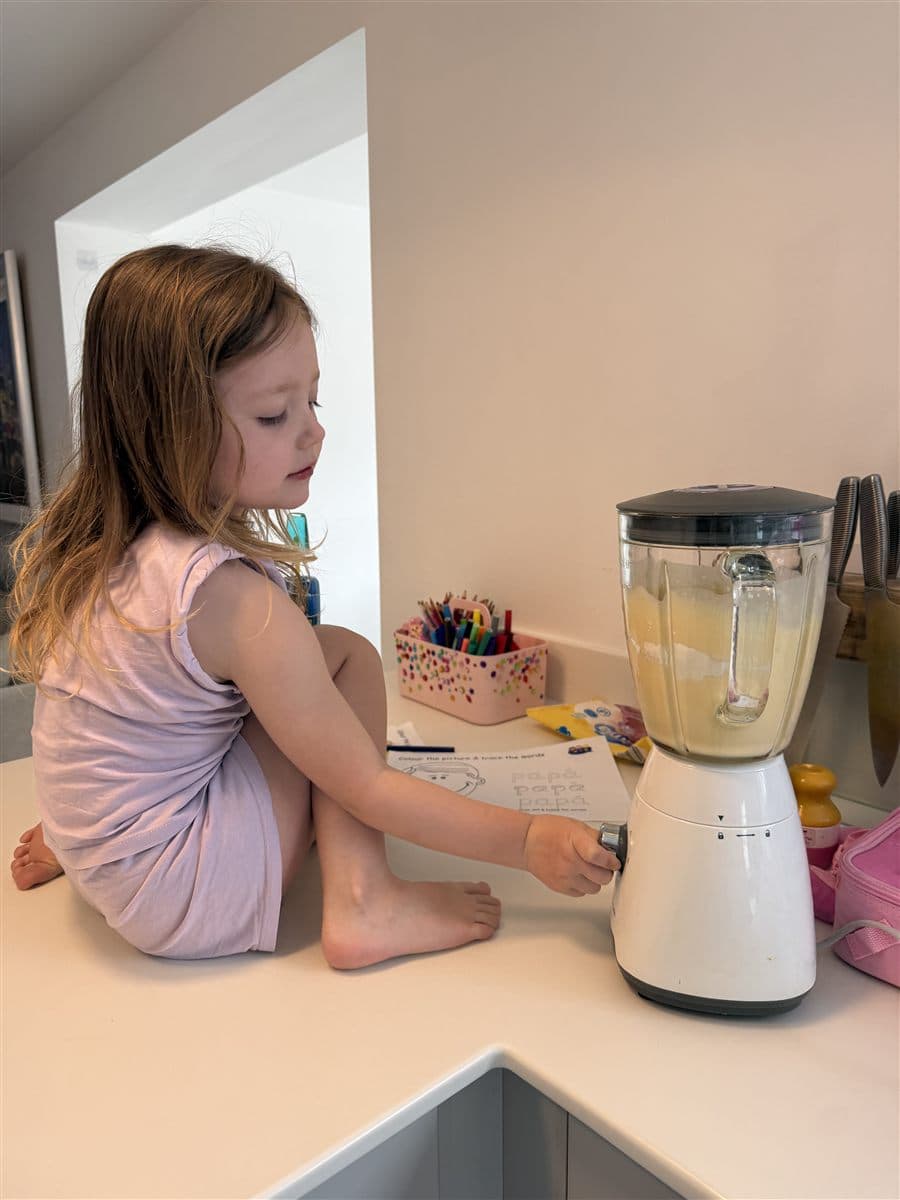
Organised home education looks different in every household. For one family, it might mean a weekly plan with maths, reading, science and trips to the library. For another, it might mean a loose routine with project work, nature walks, cooking, games, and short focused sessions when a child is ready. Both can work well.
The aim is not to copy school. The aim is to create a rhythm that helps your child learn steadily and helps you feel confident that you are covering enough over time. Organisation is really about reducing stress, not adding more of it.
How do I start organising home education?
A good place to begin is with three questions:
- What does my child enjoy or respond well to?
- How much structure works for our family right now?
- What do I need to keep track of so I feel calm and confident?
Once you have answered those, you can build a simple system around them. For example, you might decide to have:
- a weekly plan on paper or in a digital planner
- a small basket of core resources
- a place to note what your child has done each day
- a folder for useful documents, ideas and future plans
If you are just getting started, our guide to starting home education in the UK is a helpful next step, especially if you are still finding your feet.
What is the legal position for home education in England?
In England, the duty under section 7 of the Education Act 1996 is on parents to make sure their child receives a suitable education, either by regular attendance at school or otherwise. You do not need Local Authority approval to home educate a child in a mainstream school setting, and the National Curriculum is not required.
If your child is at a special school, the rules are different, and consent may be needed before withdrawal. The position also differs in Scotland and Northern Ireland, so it is important not to blur the nations together.
For a fuller explanation of your rights and responsibilities, see our guide on understanding home education law in the UK.
Do I have to register with the Local Authority?
No, not in the sense many people mean when they ask this. There is currently no live home education register UK requirement in force for ordinary home educating families in England. A Children Not in School register was created by the Children’s Wellbeing and Schools Act 2026, but those sections are not yet in force. They will only commence on a day appointed by regulations.
If the Local Authority makes informal enquiries, you do not have to provide photographs or samples of your child’s work. DfE guidance for parents says you are under no legal obligation to produce specific evidence. If you do choose to keep evidence, it is for your own records.
Our page on Local Authority contact and reporting explains what usually happens if a council gets in touch and how to respond calmly.
How do I choose a home education approach?
There is no one correct way to home educate. Some families like a structured approach, some prefer a relaxed rhythm, and many mix and match. You may use workbooks for maths, library books for history, online resources for science, and real-life activities for practical learning. That is all perfectly normal.
It can help to think about your child’s interests, your family routine, and how much planning you realistically want to do each week. You do not need to label your approach, but it can be useful to understand the main options so you can borrow what fits. If you want a balanced overview, read our guide to different home education approaches.
Some families also find it useful to look at the year as a whole. That might mean mapping out topics, trips, practical skills, reading goals, or exam plans. If that sounds helpful, our home education curriculum planning guide can help you shape a flexible year without feeling boxed in.
How do I build a simple weekly routine?
One of the easiest ways to stay organised is to create a loose weekly rhythm. A routine gives your child predictability, but it still leaves room for tired days, appointments, weather changes, and spontaneous learning opportunities.
A simple weekly rhythm might include:
- Monday: maths, reading, and a short planning chat
- Tuesday: science, practical activity, or a museum visit
- Wednesday: writing, spelling, and quiet reading
- Thursday: topic work, art, music, or outdoor learning
- Friday: review, games, library trip, or catch-up day
You may prefer to plan by subject, by project, or by activity. The important thing is that your system is realistic. If you know mornings are hard, do not plan your most demanding work then. If your child concentrates best in short bursts, build that in. Organisation should fit your family, not the other way round.
If you like printable planners and checklists, the Flybrite Shop has practical tools that can make routines easier to follow at home, especially when you want something quick to print and use straight away.
How do I keep track of learning without making it feel like admin?
This is where many home educating parents feel stuck. You want to know what has been covered, but you do not want to spend your evenings writing essays about every lesson. The answer is to keep a light, regular record.
A simple log might include:
- date
- what your child did
- a short note about progress, interest or challenge
- any useful next steps
That could be as brief as: “Read chapter 3 of the history book, discussed Victorian children, wrote a paragraph, and asked to find out more about workhouses.” Small notes like that build a useful picture over time.
Flybrite is designed for exactly this sort of record keeping. It helps you turn everyday moments into a tidy, LA-ready record in minutes, which is especially reassuring if you want a simple overview of progress without spending ages sorting through notes later. You can see how it works on our how Flybrite works page.
Do I need photos or work samples?
No, not for the Local Authority. You are under no legal obligation to produce specific evidence. Some families keep photos, worksheets, books, or project notes for their own records, and that can be helpful for memory and planning. But it is entirely your choice, and it is not something the Local Authority is entitled to request as a requirement.
How can I organise resources and materials?
Resources can quickly take over a home if you do not keep them under control. A simple system makes a huge difference. Try grouping things into broad categories such as:
- maths and number
- reading and writing
- science and topic work
- craft and creative materials
- reference books and library loans
Keep only what you use often within easy reach, and store the rest in labelled boxes or shelves. If your child thrives on visible prompts, a small wall display or routine chart can help. If you need practical printable learning materials, the Flybrite Shop offers instant A4 downloads, which can be useful for quick setup at home.
It also helps to rotate resources rather than having everything out at once. A smaller, tidier space often makes it easier for children to focus and for you to feel in control.
How do I organise home education for different ages?
If you are home educating more than one child, organisation becomes even more important. The key is not to plan separate full lessons for every child every day. Instead, look for ways to combine learning where possible, then add age-appropriate tasks around the edges.
For younger children
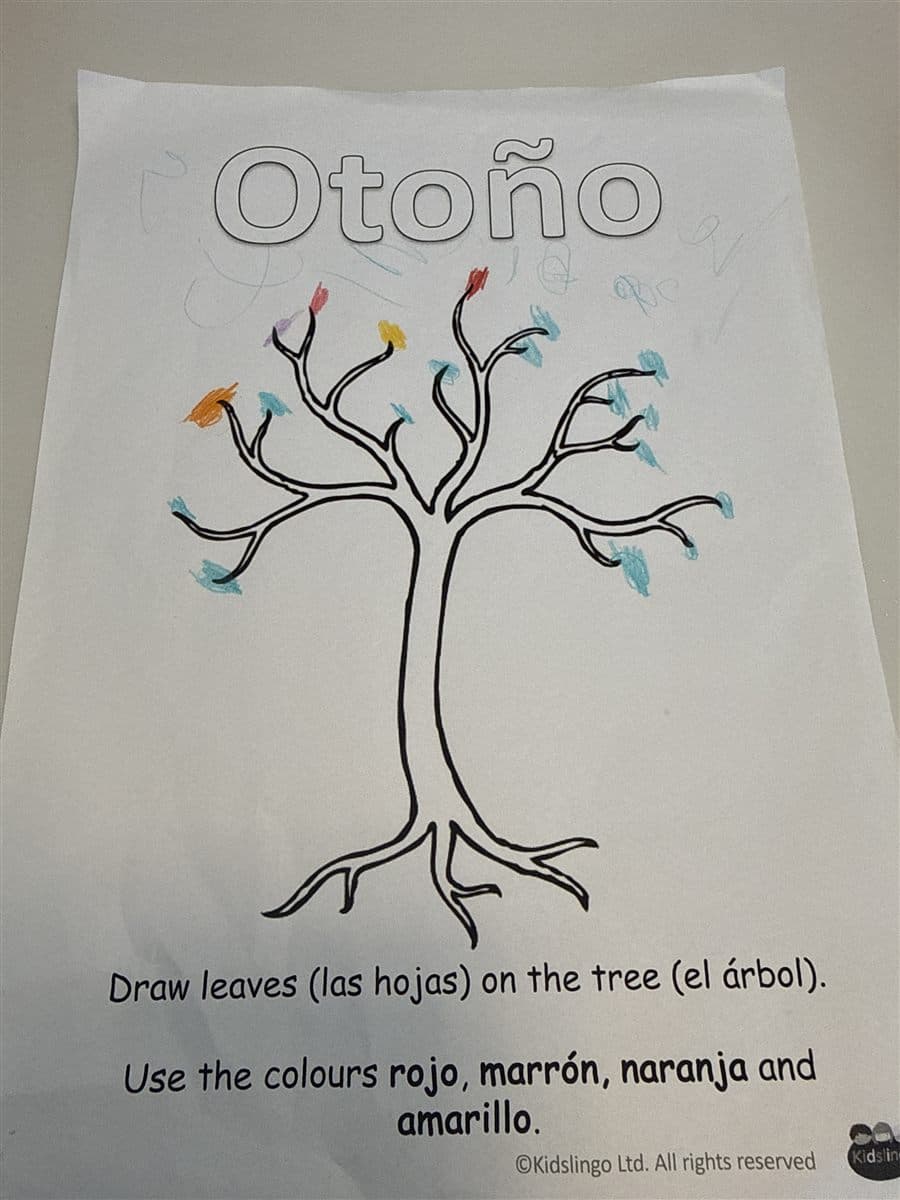
Short sessions, repetition, stories, songs, play, and practical activities often work well. You might focus on early reading, counting, fine motor skills, listening, and lots of conversation.
For primary-age children
This is often the stage where a simple routine helps most. You may want a bit more structure around reading, writing, maths, science, and topic work, alongside trips, games, and hands-on projects.
For secondary-age children
Older children often benefit from clearer planning, especially if they are working towards GCSEs as private candidates. Organisation may include subject lists, revision plans, exam dates, coursework notes, and records of tutors, online lessons or self-study.
If you are thinking about exam pathways, build your plan around the qualifications your child actually needs, not around school-style year groups. Some families also like to keep a simple long-term overview of topics, books, and assessments so that nothing important is missed.
How do I stay organised when life gets busy?
Busy weeks happen. Illness, appointments, work changes, family events and tired children can all throw off the best plan. The answer is not to aim for perfection, but to have a reset system.
Try this:
- Keep a short “must do” list for the week.
- Protect one catch-up day or lighter day.
- Use small daily notes so you can see what has already been done.
- Review the week on Friday or Sunday and adjust next week accordingly.
It can also help to keep a few easy activities ready for low-energy days, such as reading aloud, educational games, nature walks, library visits, or quiet colouring. If that is part of your routine, one set of printable activities from the Flybrite Shop can give you a handy backup for rainy days or tired afternoons.
How do I know if my home education is on track?
Home education is on track when your child is making steady progress over time, in a way that suits their age, ability and circumstances. That does not mean every day will be productive, and it does not mean your child has to be doing the same thing as other children of the same age.
Ask yourself:
- Is my child learning new things?
- Are we covering a broad enough range over time?
- Can I explain what we have been doing and why?
- Does my record show progress, even if it is uneven?
If the answer is mostly yes, you are probably doing better than you think. Many home educating parents underestimate how much learning happens through conversation, reading, practical tasks, trips, and everyday life.
Practical tips to make organisation easier
- Start small. One good routine is better than a perfect plan you never use.
- Use one place for notes. Whether paper or digital, keep everything together.
- Plan in short blocks. A week is often easier to manage than a whole term.
- Review regularly. A five-minute weekly review saves a lot of stress later.
- Keep it flexible. Good home education changes with your child.
- Choose tools that save time. A simple planner, checklist, or digital record can make a big difference.
If you want help with letters, planners and checklists, our free home education templates are a useful place to start.
Why many UK families use Flybrite to stay organised
When home education is going well, it usually feels calm, clear and manageable. That is why so many UK families use Flybrite. It brings together the bits that matter most: simple planning, tidy records, and an easy way to show what your child has been doing without creating more work for yourself.
Families often tell us the biggest benefit is peace of mind. Instead of trying to remember everything, they can quickly log learning as it happens. Instead of scrambling to gather evidence, they already have a neat record. And because the record stays yours, you stay in control.
If you want to keep exploring helpful tools and advice, our home education resources hub brings together guides that support you at every stage.
Frequently asked questions
How do I organise home education in the UK?
Start with a simple weekly rhythm, a light record-keeping system, and a small set of resources. Keep it flexible and review it regularly so it fits your child and family life.
Do I need a curriculum for home education?
No, a curriculum is not required. Some families use one, some build their own, and some take a more flexible route. What matters is that the education is suitable for your child.
Do I have to show the Local Authority my child’s work?
No. You are under no legal obligation to produce specific evidence, including photographs or samples of work. Any records you keep are for your own use unless you choose otherwise.
How can I keep home education records simple?
Use short daily or weekly notes that record what your child did, what they learned, and any next steps. A digital tool like Flybrite can make this much quicker and tidier.
What is the best way to organise home education for GCSEs?
For GCSEs as a private candidate, organise by subject, exam dates, revision blocks and any tutor or course materials. A clear long-term plan helps you keep track of deadlines and progress.
Final thoughts
Organising home education does not have to be complicated. The best systems are usually the simplest ones, the ones you will actually use on busy days, tired days and brilliant days alike. Start with a rhythm that suits your family, keep your records light, and give yourself permission to change things as you go.
And if you want a calmer way to keep everything together, Ready to make home education simpler? Start your free 7-day trial of Flybrite today: no card to start, and the record stays yours. See how everyday moments become a tidy, LA-ready record in minutes. Visit Flybrite pricing and free trial.