Home education does not come with a required kit list. You do not need a dedicated classroom, a shelf full of workbooks or a complicated timetable to get started. The most useful tools are the ones that make family life and learning feel more manageable, and they can look different for every household.
Whether you are just beginning or reviewing a routine that no longer fits, these five practical tools can help you plan, explore interests and feel more connected. Treat them as options to try, not rules to follow: you can adapt them as your child and family circumstances change.
1. A flexible planning tool
A planner can help you keep track of ideas and commitments, but it does not have to resemble a school timetable. You might use a paper diary, a wall calendar, a notes app or a shared digital calendar. Choose something you will actually use, rather than spending time building a perfect system.
Make planning useful, not demanding
Start with the things that genuinely need organising: a library visit, a museum opening time, a regular group, an appointment or a project your child wants to continue. You could add a short list of possible activities for the week, leaving room for changes of pace and spontaneous interests.
If a detailed schedule makes your family feel restricted, try planning one or two anchor activities instead. If more structure brings reassurance, a simple weekly rhythm may help. There is no single right level of planning. For practical ideas on beginning, read our guide to getting started with home education.
2. A small collection of open-ended learning resources
Useful learning resources do not have to be expensive or designed for formal lessons. A library card, maps, reference books, art materials, building blocks, a calculator and access to suitable online resources can all help a child follow questions and develop interests.
Choose resources around real interests
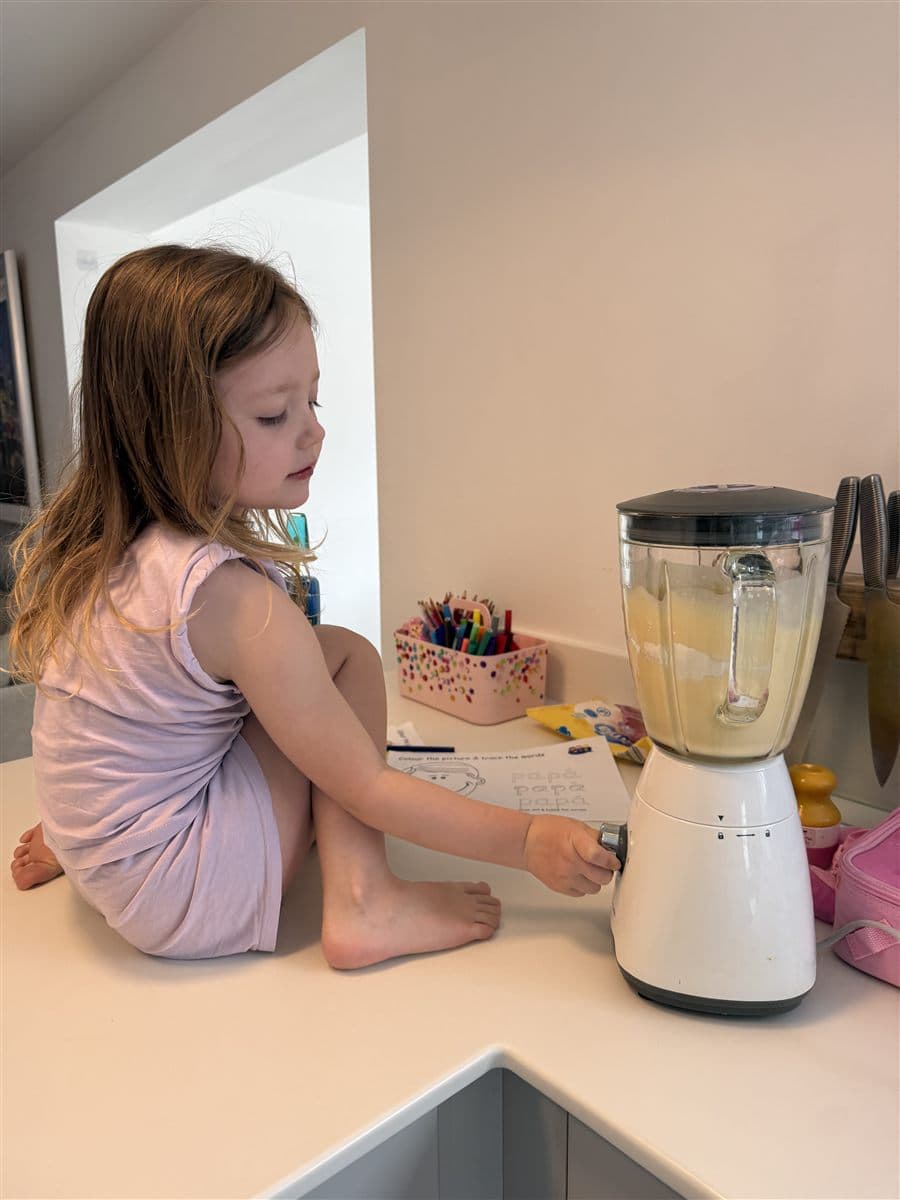
Notice what your child is curious about, then look for a few ways to explore it. A fascination with birds might lead to a field guide, a local walk, sketching, a bird-counting activity or a visit to a nature reserve. A keen interest in cooking can bring together reading, measuring, planning and practical skills.
You do not need to buy everything at once. Borrow books, use free local resources and try materials you already have at home before investing in a larger collection. Some families enjoy planned activities and workbooks; others draw on projects, everyday experiences or interest-led exploration. Many combine approaches. Our guide to different home education approaches explains some of the options without treating any one as the correct choice.
3. A simple way to keep your own notes
Keeping a light record can help you remember what has been happening and notice how your plans are developing. It can be as simple as a dated note on your phone, a diary entry or a document with a few bullet points. You might record an activity, a question your child explored, a book they enjoyed or a skill they practised in everyday life.
Focus on a helpful overview
There is no need to turn every conversation or outing into a formal record. Choose a rhythm that feels sustainable, perhaps a brief weekly note. If you are reviewing your approach, these notes may help you see what has captured your child's interest and what you might like to try next.
If your Local Authority makes informal enquiries, it may ask about the education being provided. In England, DfE guidance says parents are under no legal obligation to produce specific evidence. A parent's written account can explain what their child is learning and how the family approaches education. You are not expected to send photographs or samples of your child's work. For more on communicating with your Local Authority, see our guide to Local Authority reports.
4. A route into community
Connection can make home education feel less solitary, for both parents and children. A local group, library activity, sports club, interest-based meet-up or online community may offer conversation, shared experiences and chances to meet people with similar interests.
Find the kind of connection that suits you
Some families enjoy regular group activities, while others prefer occasional meet-ups or one-to-one friendships. You might start by asking at your library, searching for local home education groups or looking for community activities related to your child's interests. Try one option at a time and give yourselves permission to decide whether it feels like a good fit.
Community does not have to mean joining a large group or attending every week. A shared walk, a project with another family or a conversation with a supportive home educator can be valuable too. Explore more ideas in our guide to finding home education community.
5. A comfortable, adaptable home learning space
A dedicated classroom is not essential. Learning might happen at the kitchen table, on the sofa, outdoors, at the library or while out and about. Rather than redesigning a room, look for small changes that make activities easier to begin and put away.
Make everyday materials easy to reach
A basket or box for current books and projects can reduce the time spent searching for supplies. Keep pencils, paper and other frequently used materials somewhere accessible, and create a quiet spot for tasks that benefit from concentration if you have the space. If your child prefers to move between activities, there is no need to insist that all learning happens in one place.
Review the set-up now and then. A project may need a larger surface for a while, or a collection of materials may be ready to put away. The aim is a space that supports your family, not a picture-perfect room.
Build a toolkit that grows with your family
The best home education tools are practical, affordable and suited to the people using them. Begin with one small change: try a weekly planning note, visit the library, keep a brief record or look into a local activity. Notice what makes daily life easier and what creates unnecessary pressure, then adjust.
You do not have to decide on a permanent approach or have every resource in place before you begin. Home education can evolve as your child grows, your interests shift and you discover what works for your household.
Ready to make home education feel more connected and manageable? Explore Flybrite for supportive resources and a community of families finding their own way. Join Flybrite and take your next step with confidence.