If your child needs a break from school, you may be wondering whether you can home educate for a few weeks or months and then return. The short answer is that temporary home education can be possible, but the steps depend on where you live, the type of school your child attends and whether you want to keep their school place open.
There is no single UK-wide process, and a temporary arrangement can have lasting consequences for your child’s place at school. Before making a decision, check the rules for your nation and talk through your plans with the school and, where relevant, your council or education authority. You do not have to settle on one approach to home education: families can adapt as circumstances change.
Can I temporarily home educate my child in the UK?
Usually, a parent can choose to take responsibility for their child’s education outside school, but “temporarily” does not automatically mean your child stays on the school roll. In many cases, taking a child off the roll is a formal step, and returning later may depend on available places and the normal admissions process.
If you are hoping for a short pause while your child recovers, or while your family deals with a difficult period, first ask the school what alternatives might be available. Depending on the circumstances, these could include authorised absence, a temporary timetable, support for medical needs or another agreed arrangement. These are school arrangements, not home education, and availability depends on your situation.
If you decide to take full responsibility for your child’s education, it helps to be clear about three things: how withdrawal works where you live, what education you can provide at home, and what you will do if you later want your child to return to school. For a broader explanation of the legal framework, read this guide to elective home education.
What does temporary home education mean in practice?
Home education means you, as the parent, take responsibility for making sure your child receives a suitable education outside school. It is not simply a school absence, and there is no official temporary-home-education status that guarantees a place at the same school when you are ready to return.
Some families home educate for a short period and then apply for a school place. Others find the arrangement works well and continue. You do not have to decide your entire family’s future on the first day, but it is wise to plan for both possibilities.
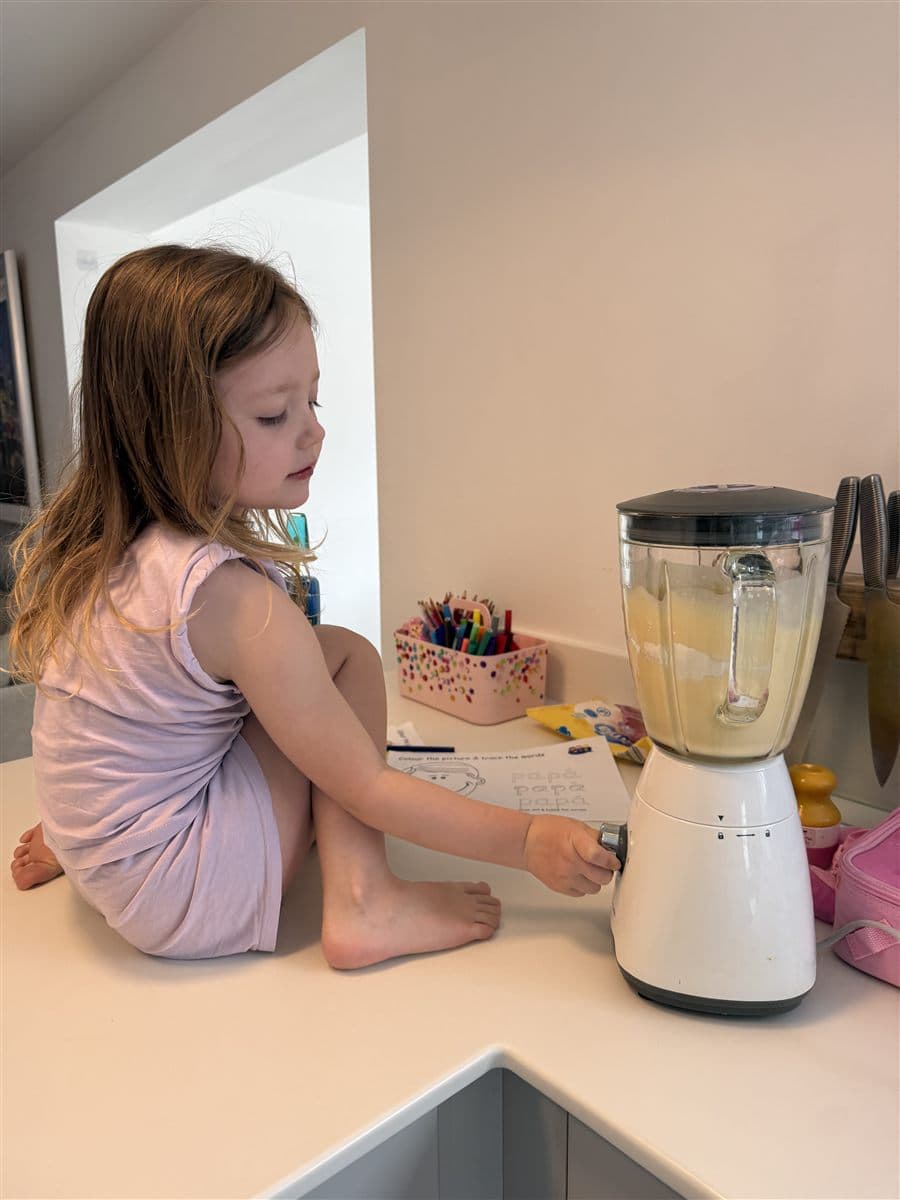
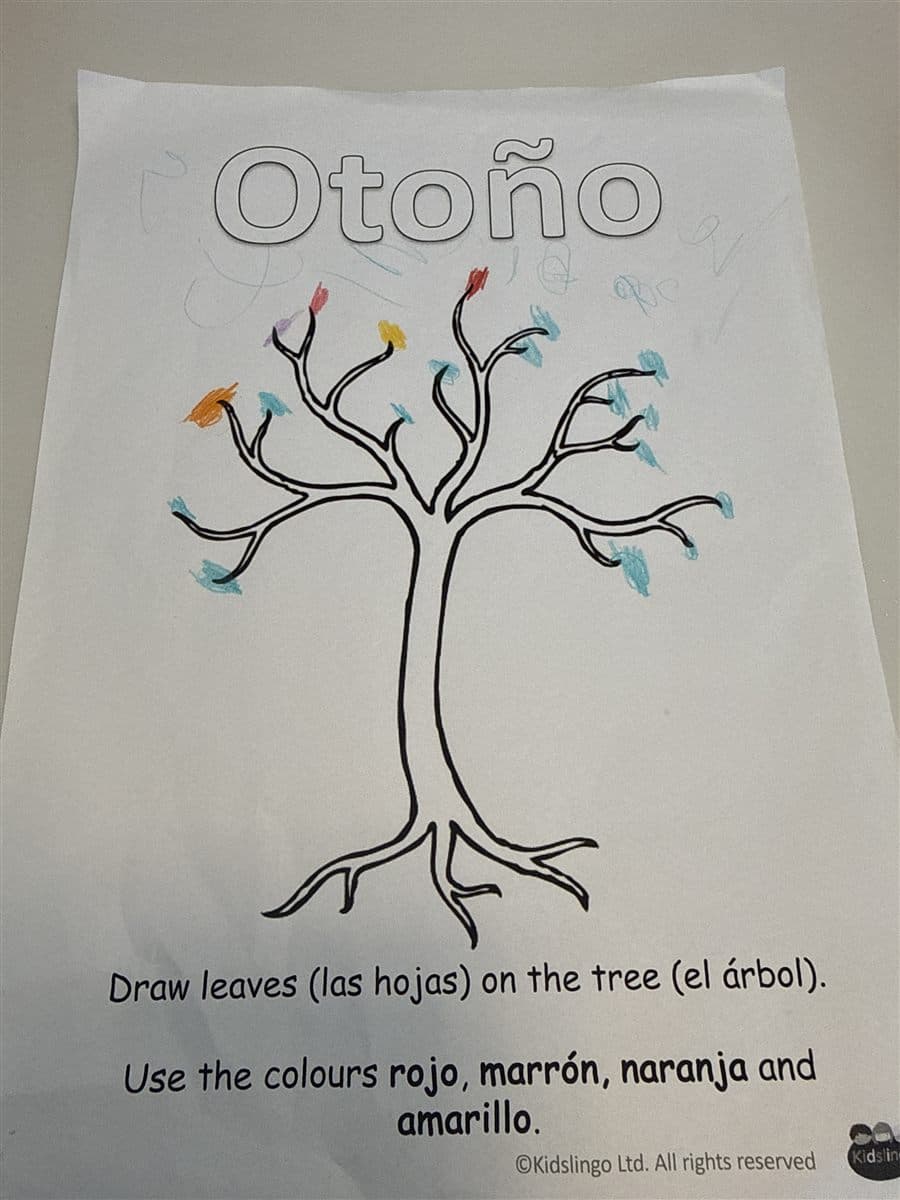
Home education can involve planned lessons, projects, reading, practical activities, community groups, museum visits or learning built around your child’s interests. You do not have to follow the National Curriculum in England, and a particular curriculum or named approach is not required. If you are weighing up different ways of organising learning, this overview of Different Approaches to Home Education can help you think through what might suit your child and your family circumstances.
What are the rules in England, Wales, Scotland and Northern Ireland?
Education law differs across the UK. Check the correct process before you send a withdrawal letter or make arrangements with a school. If your child attends a special school, do not use the mainstream-school process without checking the additional rules that apply.
England
In England, the duty to make sure a child receives a suitable education rests with the parent under section 7 of the Education Act 1996. You do not need Local Authority (LA) approval to withdraw a child from a mainstream school for home education. Give the school written notice that you are taking responsibility for your child’s education. The school will normally remove the child from its admission register after receiving the notice.
If your child attends a special school under arrangements made by the LA, you need the LA’s consent before withdrawing them. Ask the school and LA about the correct process before taking action.
The LA has a duty under section 436A to identify children who do not appear to be receiving a suitable education. It may make informal enquiries. A home visit and a response to informal enquiries are voluntary, but if you provide no information, the LA may conclude that the education does not appear suitable and consider what action is appropriate. You are not required to produce specific evidence or send photographs or samples of your child’s work. If you choose to explain your provision, a clear written account in your own words can describe what your child is doing and how it is suitable.
The Children Not in School register provisions created by the Children’s Wellbeing and Schools Act 2026 are not yet in force. They commence on a day appointed by regulations. Check current official guidance for any changes before acting.
Wales
In Wales, parents can educate their children at home. For a child at a mainstream school, give written notice to the school. You do not need LA permission to withdraw from a mainstream school. If your child attends a special school, LA consent is needed. Contact the school and relevant council team to confirm the process for your circumstances.
Scotland
Scotland has a distinct rule. If your child has been attending a public school, you must obtain the council’s consent to withdraw them under section 35 of the Education (Scotland) Act 1980. Do not withdraw your child on the assumption that a letter to the school alone is enough. Contact your council for its application process and wait for consent before proceeding. Different arrangements may apply if your child has never attended a public school or attends an independent school, so check with the council.
Northern Ireland
In Northern Ireland, you do not need Education Authority permission to educate your child at home. Tell the school principal if your child is enrolled at a school. If your child attends a special school, tell the Education Authority as well. Contact the school or EA if you need to check the steps for your particular circumstances.
How do I take my child off the school roll?
For a mainstream school in England or Wales, write to the headteacher or principal stating clearly that you are withdrawing your child to take responsibility for their education at home. Keep a copy of the letter and note when it was sent. You can ask the school to confirm the date your child will be removed from the roll.
In Scotland, contact the council first and follow its consent process if your child attends a public school. In Northern Ireland, notify the school principal. For any special-school placement, check the relevant consent requirements before sending notice.
Keep your communication calm and factual. You might include your child’s name and date of birth, the date you intend the arrangement to begin, and a contact detail for follow-up. You do not need to provide a detailed teaching plan as part of a mainstream withdrawal notice in England or Wales. Avoid assuming that a conversation with a teacher has formally changed your child’s enrolment status.
What if I want my child to keep their school place?
Ask the school whether an agreed absence or another temporary arrangement is possible before you withdraw your child. If your child remains on the school roll, the school’s attendance rules still apply. Do not assume that an informal agreement means your child can stay away indefinitely without consequences.
If you formally withdraw your child, there may be no automatic right to return to the same school. A place could have been offered to another pupil, and you may need to apply through the usual admissions process. Ask the school and your local admissions team how a later return would work, including what happens if there is no space in the year group.
For a child with additional support needs, a disability or an education, health and care plan in England, speak to the relevant professionals before making a change. Ask what support would continue, what would change, and how a return to school could be planned. Keep notes of the advice you receive so you can revisit it later.
How can I make a temporary period of home education manageable?
You do not need to recreate a school day at home. Start with your child’s immediate needs and your family’s capacity. A short, predictable routine can be reassuring, but it can also be sensible to allow time to rest, rebuild confidence or recover from illness.
- Agree a simple weekly rhythm. Choose a few regular activities, such as shared reading, a walk, cooking or a library visit. Leave room to adjust as you learn what is working.
- Use everyday learning. Shopping can involve budgeting and reading; baking can involve weighing and fractions; a museum visit can lead to questions, discussion and further reading. Learning does not have to look like a set of lessons.
- Follow your child’s interests. A topic they care about can lead naturally to books, documentaries, writing, research or a practical project. Offer choices without expecting every activity to become a formal assignment.
- Make local connections. Check your library, museums, parks and community groups for activities. Other home educating families can offer companionship and practical ideas, though your arrangement does not need to look like theirs.
- Keep a light personal record. A brief note of activities, books, projects and conversations can help you reflect on progress and explain your provision if needed. This is your family’s record. Do not send photos or work samples to the LA as supposed evidence.
When you are juggling learning notes, family routines and possible LA enquiries, a simple record-keeping system can make things feel less overwhelming. Flybrite helps turn everyday moments into a tidy record in minutes, which you can keep and use to organise your own account of your child’s education. Find out home education platform.
How do I plan for a return to school?
If returning is a possibility, contact the school or admissions team early rather than waiting until the week you hope your child will go back. Ask whether the original place is still available, whether you need to submit an in-year application and what information they need. A place cannot be guaranteed simply because your child attended the school previously.
Talk with your child in an age-appropriate way about what returning might involve. They may want to revisit the school, speak with a trusted member of staff or understand changes to routines and friendships. If the reason for leaving was distress, bullying, health or unmet needs, discuss what would need to change for a return to feel safe and workable.
There is no requirement to make your home education resemble school in order to prepare for a possible return. If you want to support a particular subject or qualification, you can consider suitable resources or arrange conversations with the school. GCSEs can be taken as a private candidate, but families need to find an exam centre and check the entry arrangements, subjects and fees well ahead of the exam series.
Practical checklist before you decide
- Write down why you are considering a temporary change and what you hope it will improve.
- Ask the school about temporary alternatives and whether your child would remain on the roll.
- Check the withdrawal rules for your UK nation, including any special-school consent requirement.
- Ask how a later return would work and whether a place can be guaranteed.
- Consider your child’s health, support needs, social contact and your family’s time and finances. There is no general funding entitlement for home education in England.
- Choose a manageable starting routine, then review it together after a few weeks.
- Keep your own brief notes if useful. You are not required to send work samples or photographs to the LA.
Frequently asked questions
Can I home educate for just a few weeks?
Possibly, but the school-roll and withdrawal rules still matter. Ask the school about an agreed temporary arrangement first, and check your nation’s process before formally withdrawing your child.
Do I need permission from the Local Authority to home educate?
In England and Wales, LA permission is not needed to withdraw a child from a mainstream school, but special-school consent is required. Scotland requires council consent to withdraw a child who has been attending a public school. Northern Ireland does not require EA permission, though a special-school placement should be reported to the EA.
Will my child automatically get their school place back?
No. After formal withdrawal, a return may require a new application and depends on places and admissions arrangements. Ask the school or admissions team before you make plans.
Do I have to follow the National Curriculum at home?
No. The National Curriculum is not required for home education in England. Parents are responsible for providing a suitable education, and families can use structured resources, projects, everyday learning or a mix.
Must I show the LA my child’s work?
No. Parents are under no legal obligation to produce specific evidence such as work samples or photographs. If an LA makes informal enquiries, a written account in your own words is one way to explain the education you provide. A visit and a response are voluntary, though providing nothing may lead the LA to conclude the education does not appear suitable.
A change of plan can be approached one step at a time
Considering temporary home education does not mean you have to know exactly what the next year will look like. Find out the correct process where you live, ask clear questions about your child’s school place, and begin with a realistic plan for the coming weeks. You can review what is working and make informed decisions as your family’s circumstances change.
Ready to make home education simpler? Start your free 7-day trial of Flybrite today: no card to start, and the record stays yours. See how everyday moments become a tidy, LA-ready record in minutes. Thousands of UK families trust Flybrite to make keeping their home education records easier.