If you have just started home education, one of the first questions that comes up is simple, but it can feel surprisingly big: what curriculum is used in the UK? The short answer is that there is no single curriculum every home educating family must follow. That can feel freeing, but it can also feel a bit daunting when you are trying to work out what your child should actually be learning.
The good news is that you do not need to recreate school at home. You can use the National Curriculum as a guide if it helps, or you can build something much more flexible around your child, your family life, and your goals. Many families mix structured resources, everyday learning, projects, reading, trips, and practical life skills. What matters is that the education is suitable for your child.
In this guide, I will walk you through what is used in the UK, what is required by law, and how to choose an approach that feels manageable. If you want a calmer way to plan the year, you may also find our comprehensive home education curriculum guide helpful as you shape your own plan.
What curriculum is used in the UK?
In UK home education, there is no one compulsory curriculum for home educating families. In England, parents are responsible for providing a suitable education under section 7 of the Education Act 1996. That education must be full-time, efficient, and suitable to the child’s age, ability, aptitude, and any special educational needs, but it does not have to follow the National Curriculum.
That means you can choose from a wide range of resources and approaches. Some families use a school-style sequence for maths, English, science, and other subjects. Others use interest-led projects, mixed-age resources, outdoor learning, books, practical life skills, or a blend of several approaches. There is no legal requirement to use worksheets, timetables, or formal lessons every day.
If you are still getting your bearings, our starting home education guide is a useful place to begin, because it helps you think about what home education can look like in real family life, not just on paper.
Do home educating families have to follow the National Curriculum?
No, not in England. Home educating families do not have to follow the National Curriculum, and they do not need Local Authority approval for the education they choose. That is an important point, because many parents assume they must mirror school more closely than they actually do.
The National Curriculum can still be useful as a reference point. Some families like to use it to check coverage, especially in core subjects. Others use it to spot gaps or to reassure themselves that they are broadly covering age-appropriate learning. But it is only one option among many.
For example, you might use:
- a published curriculum or scheme for maths and phonics
- a book-based or Charlotte Mason-inspired approach for English and history
- project-based learning for science and geography
- games, recipes, shopping, travel, and daily routines for practical maths and life skills
- museum visits, library books, and community activities to deepen learning
There is no rule that says everything must fit neatly into subject boxes. Many home educating families find that learning is stronger when it is connected to real life.
What are the most common curriculum options for UK home education?
Families in the UK use all sorts of materials, and the right fit depends on your child and your household. Here are some of the most common options.
1. A structured curriculum or scheme
Some families prefer a clear sequence with planned lessons, textbooks, workbooks, and regular assessments. This can be especially helpful if your child likes predictability, if you want a strong sense of progress, or if you are working towards GCSEs later on.
A structured approach can reduce decision fatigue, because the next step is already laid out for you. It can also make it easier to keep records. If you want help building that kind of system, our structured learning programme guide can help you plan the year in a way that still leaves room for flexibility.
2. An eclectic approach
Many home educators use an eclectic mix. You might use one resource for phonics, another for maths, a library reading list for English, and trips or projects for science and history. This is often a very practical option because it lets you choose what works best in each subject.
3. Child-led or interest-led learning
Child-led learning means you follow your child’s interests and build learning around them. That might mean dinosaurs, trains, baking, coding, animals, or space. It is not the same as doing nothing. Good child-led home education still involves thoughtful planning, resources, and opportunities to stretch learning.
Some families also describe themselves as unschooling, which usually means learning is driven by everyday life and the child’s curiosity rather than a set curriculum. That can work very well for some households, but it is different from a lightly structured approach, so it helps to be clear about what you mean.
4. Montessori-inspired, Charlotte Mason, Steiner-inspired, or project-based learning
These are all approaches families may adapt in different ways. They are not legal categories, just descriptions of how you organise learning. You do not need to choose one forever. Many families borrow ideas from several approaches and change over time as children grow.
If you are weighing up different home education approaches, our different home education approaches guide is a useful read because it explains the main options without pushing you towards one “right” answer.
What subjects should a UK home educated child learn?
There is no fixed list for home education in England in the same way there is in school, but most families think in broad subject areas to make sure learning is balanced. A common starting point is:
- English, including reading, writing, spelling, speaking and listening
- Maths, including number, calculation, measures, shape, and problem solving
- Science
- Humanities, such as history, geography, and sometimes religious education
- Arts, music, drama, and creative work
- Physical activity and outdoor learning
- Life skills, independence, and practical learning
- Digital skills and computing
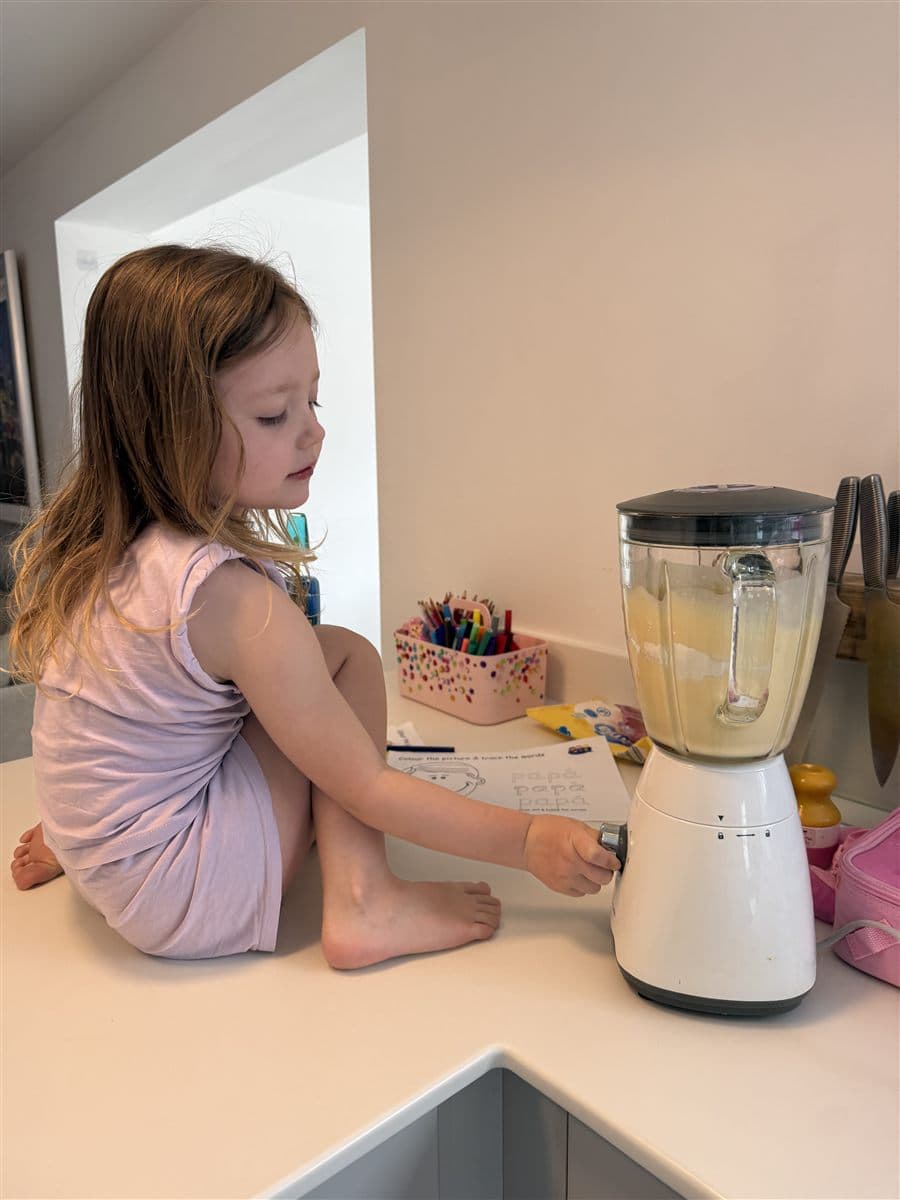
That list does not mean you need a separate lesson for each subject every week. A child might cover science through cooking, nature walks, or experiments at the kitchen table. Geography might come from maps, local walks, travel, or comparing places. English can happen through reading aloud, discussion, journalling, storytelling, and real writing tasks.
The point is not to tick boxes for the sake of it. The point is to make sure your child is learning broadly and steadily in a way that suits them.
What about primary home education?
For primary-aged children, many families keep things simple, practical, and playful. At this stage, you may want to focus on strong foundations in reading, writing, number sense, and confidence. Short, regular sessions often work better than long formal lessons.
It can also help to use real-world learning wherever possible. Counting money at the shop, reading signs, measuring ingredients, keeping a nature journal, or following a recipe all build skills in a natural way. If you want age-appropriate ideas and support, our primary home education guides are designed with primary home educating families in mind.
For younger children, it is often best to keep the plan light enough that you can actually enjoy it. A child who is relaxed and curious will usually learn more than a child who is overwhelmed by too much structure.
What about secondary, GCSEs, and A-levels?
As children get older, many families become more intentional about subject coverage, qualifications, and exam routes. That does not mean you must suddenly copy school. It does mean you may want a clearer plan, especially if your child is aiming for GCSEs or A-levels as a private candidate.
At secondary stage, families often think about:
- which subjects the child wants or needs to study
- which qualifications may be useful later
- how much independent work the child can manage
- which exam boards or resources suit the subject
- how to balance depth, pace, and wellbeing
If this is the stage you are at, our secondary home education guides can help you think through GCSE and A-level home education support in a practical way.
How do you choose the right curriculum for your child?
The best place to start is not with a product. It is with your child. Ask yourself:
- What does my child enjoy?
- What helps them concentrate?
- How much structure do they cope with well?
- Do they need short bursts, longer projects, or a mix?
- What are our family routines and pressures?
- Are we aiming for qualifications, or mainly broad learning right now?
Then think about your own capacity. The most beautiful curriculum in the world is no use if it is too complicated to sustain. A realistic plan that you can keep going with is usually much better than an ambitious one that collapses after three weeks.
A simple way to choose is to start with the core subjects, add one or two enrichment areas, and then review after a few weeks. You do not need to get everything perfect from day one. Home education is allowed to evolve.
How do you plan a home education curriculum without making it feel like school?
Many families worry that planning means turning home into a classroom. It does not have to. Planning is really about knowing what you want to cover, what resources you will use, and how you will notice progress.
A practical planning approach might look like this:
- Choose broad goals for the term or year.
- Pick a few resources you will actually use.
- Decide what “enough” looks like for each subject.
- Build in time for trips, projects, rest, and catch-up.
- Review regularly and adjust as needed.
That is where a tool like Flybrite can save a lot of effort. It helps you plan, log, and track learning without turning your life into paperwork. If you want a clearer year plan, explore our guide to planning your UK home education year, designed for families like yours.
Flybrite also makes it easier to turn everyday moments into a tidy, LA-ready record in minutes, which is especially helpful if you want your notes to stay organised without spending evenings trying to remember what happened when.
What should you do about Local Authority contact?
In England, the Local Authority’s role is not to approve your home education. Its duty is to identify children who do not appear to be receiving a suitable education. If the Local Authority makes informal enquiries, you can decide how to respond. You are not under a legal obligation to produce specific evidence such as photographs or samples of work.
That said, it is wise to keep your own written record of what your child is learning. A short note each week can be enough to remind you of progress, resources used, trips, books, and projects. If the Local Authority asks questions, a calm written account is usually the starting point.
For a clearer explanation of your rights and responsibilities, our understanding home education law guide is a helpful companion read.
If you want support with records, Flybrite is built for exactly that. It helps you plan, log, and track lessons, and it turns ordinary family learning into a neat record you can keep in one place. Thousands of UK families already trust it because it takes the stress out of remembering everything yourself.
What are some practical ways to make a curriculum work in real life?
Here are a few ideas that often help home educating families stay consistent without burning out:
Use the library as a core resource
Your local library can be one of the best parts of home education. It gives you free access to books, audiobooks, research materials, and often events or reading schemes. It is brilliant for building a reading habit without needing to buy everything.
Learn through everyday life
Cooking, shopping, gardening, travel, chores, and planning a day out all build useful skills. These moments count. They are not “extra”, they are part of a rich education.
Keep a simple weekly rhythm
Many children do well with a loose rhythm rather than a rigid timetable. For example, you might have maths and English most mornings, with afternoons for reading, projects, exercise, or outings. The exact shape does not matter as much as whether it suits your family.
Use trips to deepen learning
Museums, galleries, farms, castles, parks, and nature reserves can bring topics to life. A trip is not a break from learning, it often is the learning.
Review and adjust often
If something is not working, change it. A curriculum should serve your child, not trap you. That flexibility is one of the real strengths of home education.
How Flybrite can help you keep track without the faff
One of the hardest parts of home education is not usually the teaching itself, it is keeping track of everything while also living normal family life. That is where Flybrite can make a real difference.
With how Flybrite helps you teach, you can plan, log, and track learning in one place. Instead of chasing scraps of paper or trying to remember what you covered last month, you can build a tidy record as you go. That means less stress, less admin, and more confidence that your notes are there when you need them.
If you like having a simple system rather than a pile of half-finished notebooks, Flybrite is worth a look. It is designed for real UK home educating families, not for people with endless spare time.
Practical tips for choosing a UK home education curriculum
- Start with your child, not with a template.
- Choose fewer resources and use them well.
- Keep core subjects steady, but allow flexibility elsewhere.
- Use real life as part of the curriculum.
- Review every half term or term, not every day.
- Keep your own written notes so you can see progress over time.
- Do not compare your home education to school too closely, because they are not meant to be identical.
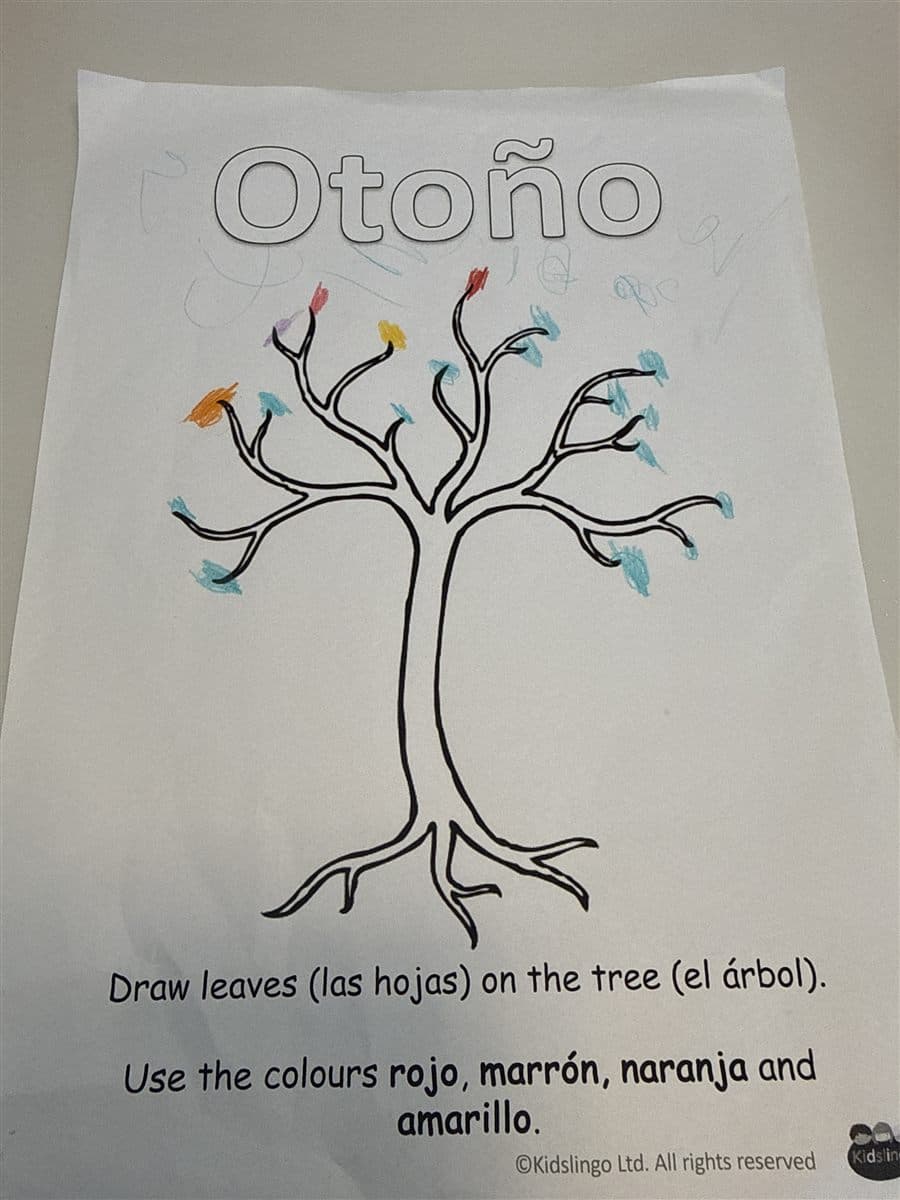
If you are the sort of parent who likes a bit of structure, you may also enjoy the Flybrite Shop for practical support materials. It can be handy for printable routines, handwriting practice, and other everyday learning tools that make life a bit easier.
FAQ: what curriculum is used in the UK?
Is there a national curriculum for home education in the UK?
No. In England, home educating families do not have to follow the National Curriculum. You can use it as a guide if you want, but it is not required.
Do I need Local Authority approval for my home education curriculum?
No. The Local Authority does not approve or sign off your curriculum. In England, parents are responsible for providing a suitable education under section 7 of the Education Act 1996.
What is the best curriculum for home educating in the UK?
There is no single best curriculum for every family. The best fit is the one that suits your child’s needs, your family routine, and your goals, whether that is a structured programme, an eclectic mix, or a more child-led approach.
Do I have to send samples or photos of work to the Local Authority?
No. Parents are under no legal obligation to produce specific evidence. It is sensible to keep your own written record, but you do not have to send photographs or samples of work.
How do I plan a curriculum for GCSEs at home?
Start by choosing the subjects and exam route you want, then work backwards from the exam specification. Many families use a mix of textbooks, online resources, past papers, and tutor support where needed. Our secondary home education guides can help with this.
Conclusion
So, what curriculum is used in the UK? For home educating families, the answer is: the one that works for your child. You are free to choose a structured programme, a flexible mix, or something much more interest-led. You do not have to copy school, and you do not need to follow the National Curriculum unless you want to use it as a guide.
The key is to keep things suitable, steady, and realistic. If you can plan simply, teach in a way that fits your family, and keep a clear written record, you are already doing a lot right.
Ready to make home education simpler? Start your free 7-day trial of Flybrite today: no card to start, and the record stays yours. See how everyday moments become a tidy, LA-ready record in minutes. Try Flybrite free for 7 days.
Related reading: Frequently Asked Questions about Home Education