If you are wondering what home education actually involves, you may be picturing a kitchen table, a stack of books and a full timetable. It can look like that, but it does not have to. UK families home educate in many different ways, and the right approach depends on your child, your circumstances and what feels sustainable for your family.
You are responsible for making sure your child receives a suitable education, but that does not mean recreating school at home. This guide explains the practical and legal basics, what learning can look like day to day, how to keep useful records and where to find support.
What does home education involve?
Home education means that you, as a parent or carer, take responsibility for your child’s education outside the school system. You arrange and provide an education suited to your child. That might involve planned lessons, books, online resources, practical projects, visits, conversations, hobbies or a mixture of all of these.
There is no single timetable or teaching method that every family must follow. Some families value a predictable routine and work through subject materials. Others build learning around projects, interests or everyday life. Many combine approaches, and what works can change as your child grows or family circumstances shift.
Approaches are descriptions, not legal categories. You do not need to choose a label or follow one method consistently. If you are comparing options, this guide to different home education approaches can help you think through the possibilities without suggesting there is one right answer. Different Approaches to Home Education
What does the law say about home education in the UK?
Education law differs across England, Wales, Scotland and Northern Ireland, so check the rules for the nation where you live. The broad principle is that parents are responsible for ensuring their child receives a suitable education, but the steps for withdrawing a child from school are not the same everywhere.
England
Under section 7 of the Education Act 1996, parents must ensure their child receives an efficient, full-time education suitable to their age, ability and aptitude, and to any special educational needs they may have. You do not need Local Authority (LA) approval to begin home educating a child who attends a mainstream school. You give the school written notice that you are taking responsibility for their education. If your child attends a special school arranged by the LA, you need the LA’s consent before withdrawing them.
The LA has a duty under section 436A to identify children who do not appear to be receiving a suitable education. It may make informal enquiries if it has reason to ask about your child’s education. This is not an approval process, inspection or sign-off. For a fuller explanation of the law and your rights, see this guide to understanding home education. uk home education requirements
You are not legally obliged to produce specific evidence, such as samples or copies of your child’s work. If the LA makes an enquiry, you can choose how to respond. A home visit is voluntary, as is responding to informal enquiries, but providing no information can leave the LA to conclude that suitable education does not appear to be taking place. A clear written account of your educational provision is one way to explain what you are doing.
The Children Not in School register provisions in the Children’s Wellbeing and Schools Act 2026 have received Royal Assent, but those sections are not yet in force. They commence on a day appointed by regulations. Do not assume that a register is currently in operation or that you have to register under those provisions.
Wales
In Wales, parents also have a duty to ensure their child receives a suitable education. If your child is at a mainstream school, you give the school written notice of your decision to educate them at home; LA permission is not needed. If your child attends a special school, you need LA consent to withdraw them. For questions about a particular situation, consult current Welsh Government guidance or seek advice from a suitable support organisation.
Scotland
Scotland has a different withdrawal process. If your child has been attending a public school, you must obtain the council’s consent to withdraw them under section 35 of the Education (Scotland) Act 1980. Contact your council before making plans to withdraw your child and check the process that applies to your circumstances.
Northern Ireland
In Northern Ireland, you do not need Education Authority permission to educate your child at home. Tell the school principal if your child is enrolled. If your child attends a special school, tell the Education Authority. Check current local guidance if you are unsure how to handle your child’s particular circumstances.
Do you have to follow the National Curriculum or teach lessons?
No. In England, the National Curriculum is not a requirement for home educators. You are not required to copy school subjects, use a particular timetable, buy a curriculum package or deliver formal lessons. The legal focus is on whether the education is suitable for your child, not whether your home resembles a classroom.
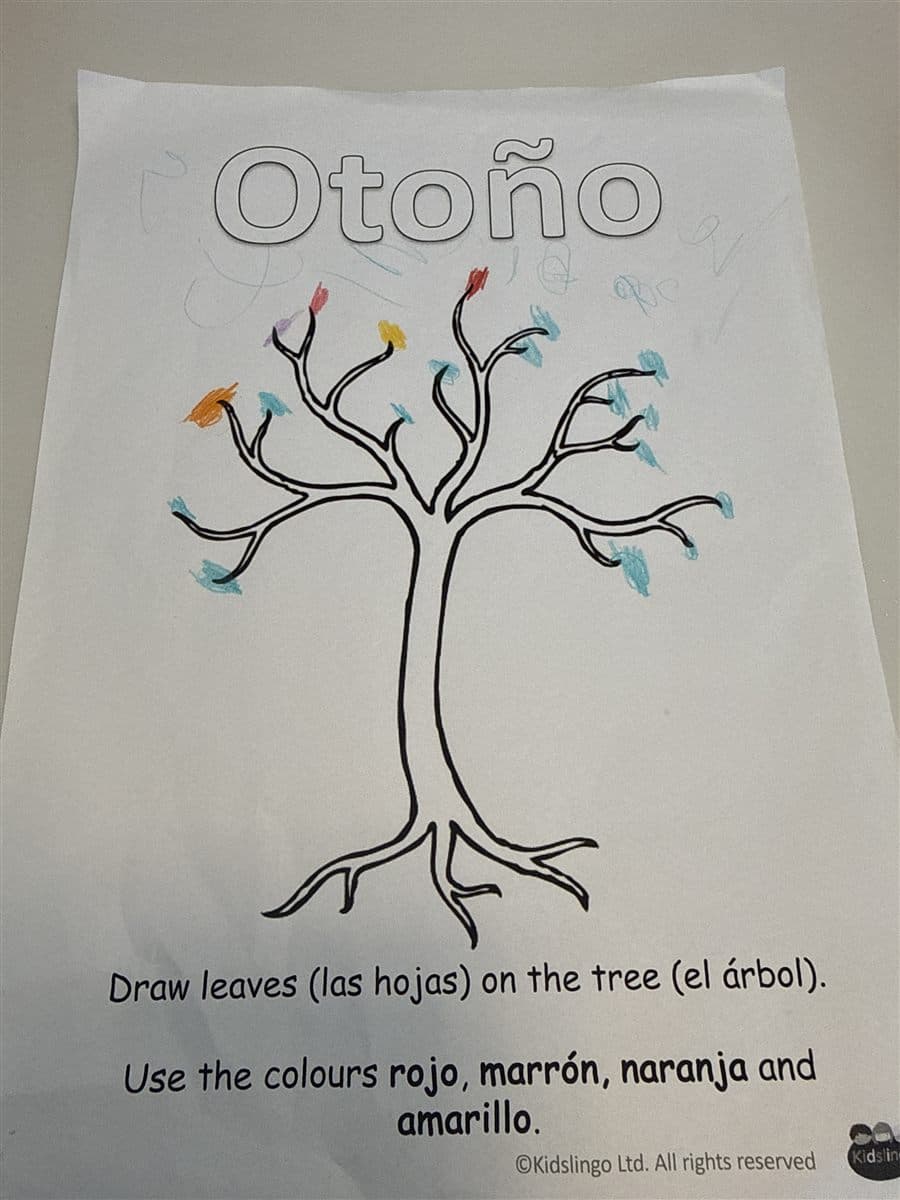
Some families choose a curriculum or structured resources because they like having a sequence to follow. Others use them selectively alongside projects, practical activities and independent interests. There are also families who do little formal teaching but provide a rich range of opportunities for learning. Your choice can be adjusted as you find out what suits your child and household.
If planning feels reassuring, start with a few broad goals rather than trying to map every hour of the year. A flexible home education curriculum plan can help you organise ideas while leaving room for interests and unexpected opportunities. home education curriculum uk
What can a typical day of home education look like?
There is no standard day. One family might spend the morning reading, writing and working on maths, then go to the library in the afternoon. Another might spend several days on a project about local history, with books, a museum visit, drawing and online research. Some families use regular learning sessions; others fit learning into the flow of the day.
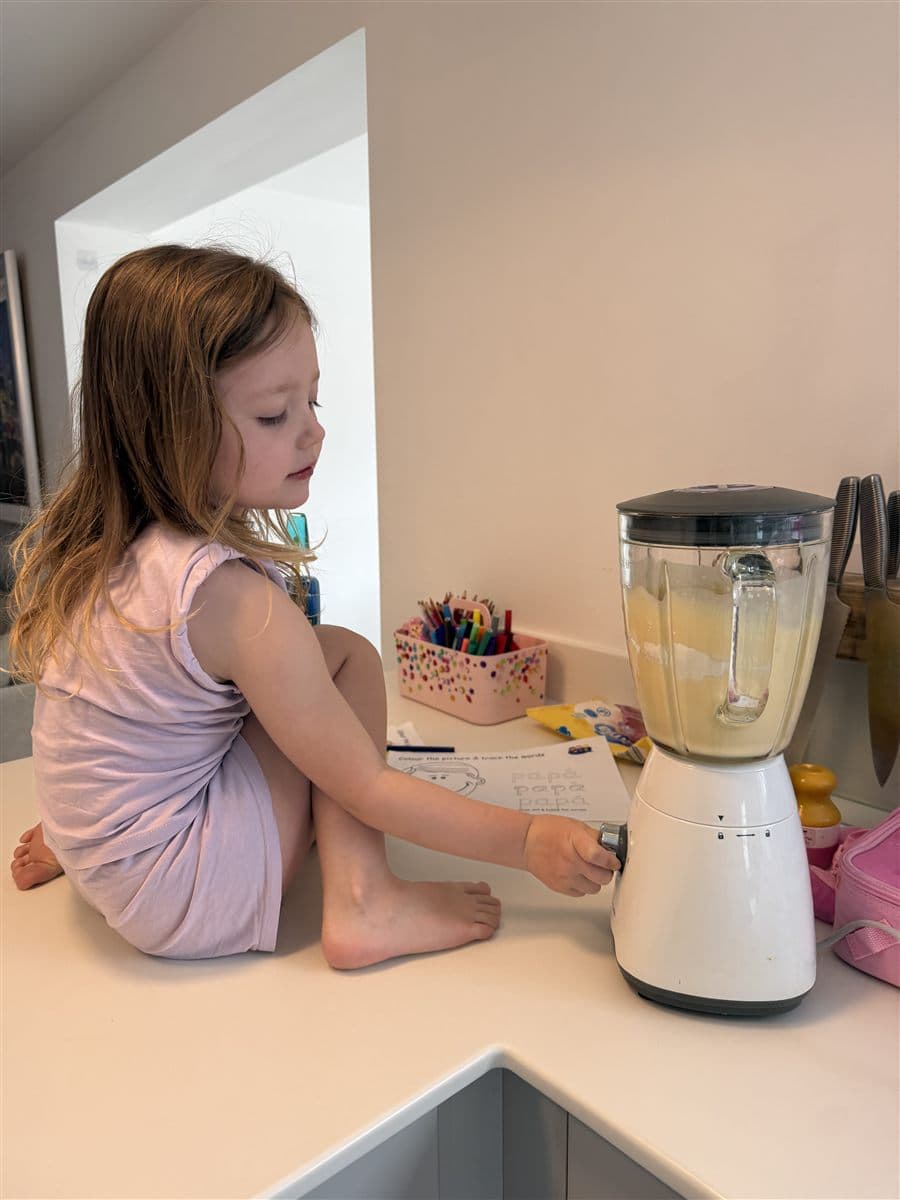
Everyday activities can offer worthwhile learning. Cooking can involve measuring, reading instructions and adjusting quantities. A bus journey can lead to map-reading or a conversation about the local area. A child who is absorbed in building, gardening, music or caring for an animal may be practising planning, problem-solving, observation and communication.
These examples do not mean every activity needs to become a lesson. It is fine to enjoy a walk, a game or a visit without turning it into a worksheet. Notice what your child is curious about, and offer chances to follow that interest when it feels practical.
How do you start home educating?
Begin with the practical steps for your UK nation and your child’s current school situation. If your child is enrolled, check the correct withdrawal process before sending notice. Keep a copy of any letter or email you send, along with a note of when it was sent. If your child has special educational needs, health needs or an education, health and care plan, consider getting tailored advice before making changes.
Next, give yourself time to understand what your child needs. Think about their interests, what they already enjoy, any worries they have about the change and how much structure helps your household. You do not need to settle on a permanent educational philosophy before you begin. This practical guide to getting started with home education can help you work through the first steps. getting started home education
Make a simple first plan
- Choose a few regular opportunities for reading, conversation, practical activity or focused work, if these suit your family.
- Make a short list of nearby places you could use, such as your library, parks, museums, galleries or community groups.
- Gather a small selection of books and resources before buying a large curriculum package.
- Agree on a light routine for the next few weeks, then review it together.
- Leave space for rest and adjustment, especially if your child is recovering from a difficult school experience.
How can you keep records of home education?
Keeping a record is not the same as proving your worth as a parent. It can simply help you remember what your child has been doing, spot interests and progress, plan what to offer next and explain your provision if the LA makes an enquiry. In England, the parent’s own written account is a useful way to describe the education being provided. You do not have to send photographs or samples of your child’s work.
Try a brief weekly note with a few headings: activities and subjects explored, books or resources used, interests followed, and ideas for next time. Include ordinary learning as well as planned work. A note such as “planned a garden bed, compared seed packets and measured the space” is more informative than a long list of vague claims.
Keep any records for your family. Photographs can be part of your own private record if you want them, but they are not something you should feel you need to provide to the LA. If keeping notes becomes a task of its own, shorten the system until it is manageable. Flybrite is a UK home education platform that helps turn everyday learning into a tidy, LA-ready record in minutes, while keeping the record yours. Find out how Flybrite works for home educating families. How Flybrite Works - Home Education Made Simple
What about GCSEs and qualifications?
Home-educated young people can work towards qualifications, but families need to plan ahead. GCSEs are usually taken as a private candidate at an exam centre, and not every centre offers every subject. Practical or coursework-based subjects can be harder to arrange, so contact centres early to ask about availability, fees, entry deadlines, required coursework and assessment arrangements.
Some families choose GCSEs, while others explore different qualifications or routes. Talk with your young person about what they may want to do next, then check the entry requirements for relevant colleges, training providers or employers. Exam arrangements can vary, so confirm details directly with the centre and awarding body.
How can you make home education sustainable?
Home education is a family commitment, so a workable plan matters more than an impressive-looking one. You do not need to spend heavily. Libraries, second-hand books, free museum days, local walks, community activities and resources you already own can all contribute. There is no general funding entitlement for home education in England, so make purchasing decisions with your household budget in mind.
Build in time for your own responsibilities and relationships. If you have more than one child, activities do not always need to be separate: shared reading, a nature walk or a family project can give each child different ways to take part. Look for local groups or online communities if you want company, but choose spaces that respect your family’s approach.
Review your routine every few weeks. Ask: Is my child engaged? Is the plan realistic? What seems to be working? What could we change? A calm adjustment is not a sign that you have failed. It is part of finding a sustainable way forward.
Frequently asked questions about home education in the UK
Is home education legal in the UK?
Yes. Parents can take responsibility for their child’s education, but the relevant rules differ between England, Wales, Scotland and Northern Ireland. In particular, Scotland requires council consent to withdraw a child who has been attending a public school.
Do I need permission from the Local Authority to home educate?
In England and Wales, you do not need LA permission to withdraw a child from a mainstream school, but special school withdrawals require LA consent. Scotland has a separate consent process for children attending public schools. In Northern Ireland, EA permission is not needed, with a different notification arrangement for special schools.
Do home educators have to teach the National Curriculum?
No. The National Curriculum is not required for home education in England. Families can choose a curriculum, use selected resources or provide learning through a mix of activities and experiences.
Can the Local Authority demand work samples or a home visit?
In England, parents are under no legal obligation to produce specific evidence such as work samples, and a home visit is voluntary. You can choose how to respond to informal enquiries. Providing no information may, however, lead the LA to conclude that suitable education does not appear to be taking place.
Can a home-educated child take GCSEs?
Yes. A home-educated young person can usually enter as a private candidate through an exam centre, but availability, fees and coursework arrangements vary. Contact centres well in advance to plan.
A flexible way to build your family’s approach
Home education involves taking responsibility for your child’s education, finding opportunities that suit them and adapting as you go. It can include structure, curiosity-led projects, everyday learning or a blend of all three. You do not have to recreate school or get every decision right at once. Start with the legal steps for your nation, make a manageable plan and give your family room to find its rhythm.
Ready to make home education simpler? Start your free 7-day trial of Flybrite today: no card to start, and the record stays yours. See how everyday moments become a tidy, LA-ready record in minutes. Thousands of UK families trust Flybrite to make keeping a home education record easier.