Are you wondering which curriculum you are supposed to follow if you educate your child at home? You are not alone. It can feel as if everyone else has a scheme, timetable and neat stack of workbooks, while you are still working out what is actually expected. The reassuring answer is that there is no single curriculum used by every UK home-educating family, and in England you do not have to follow the National Curriculum.
This guide explains the choices available, what the rules mean in different parts of the UK, and how to build an approach that works for your child and your household. You can use a published programme, make your own plan, learn through projects and everyday life, or combine these ideas. There is no one right route.
Which curriculum is used in the UK?
There is no compulsory, universal curriculum for home education across the UK. Families choose how to provide a suitable education, and approaches vary. Some follow a structured, commercially published curriculum. Others use a mixture of books, online resources, practical activities, visits and their child’s interests. Many families change their plan as they learn what suits them.
It helps to distinguish a curriculum from a resource. A curriculum is a broad plan for what a child might learn and when. A workbook, online course or set of activity cards is a resource that may support that plan. You can use resources without following a complete scheme, and you can plan a rich education without buying a boxed curriculum.
In England, parents have a duty under section 7 of the Education Act 1996 to secure an efficient, full-time education suitable to the child’s age, ability, aptitude and any special educational needs. The National Curriculum is not required for home education. Local authorities have a duty under section 436A to identify children who do not appear to be receiving a suitable education. They may make informal enquiries, but this is not an approval, inspection or sign-off process.
Rules and processes differ across the UK, so check the position where you live before making changes. For a clear overview of your rights and responsibilities, read our guide to uk home education requirements.
What are the main curriculum choices?
- A published curriculum: A ready-made sequence of subjects and activities can offer structure and reduce planning. Check whether it reflects your child’s age and needs, whether you can adapt it, and what it costs.
- National Curriculum-inspired planning: Some families use English and maths objectives, or school year expectations, as a reference. This is optional, not a legal requirement in England.
- Eclectic home education: You can take useful elements from different books, programmes and approaches, then adapt them to your family.
- Project-based learning: A topic such as local history, gardening or space can bring together reading, writing, maths, research and practical skills.
- Interest-led learning: A child’s questions and interests can shape what you explore. This does not have to mean having no boundaries or planning. Child-led learning, autonomous education and unschooling are related ideas, but they are not interchangeable labels, and families interpret them differently.
- A blend: You might use a maths programme, visit the library regularly, pursue a child’s current interest and learn through ordinary tasks at home.
These are descriptions, not formal or legal categories. You do not have to choose a label, and you can mix, adapt or change your approach. For a balanced overview, read about education styles to home education.
How do you choose a curriculum for home education in the UK?
Start with your real life, not a perfect-looking timetable online. Think about your child’s interests, current skills, any additional needs, your available time and budget, and how much structure feels comfortable. A plan should support your family, not turn every day into a test of whether you have kept up.
A simple way to compare options
- Write down what matters now. You might want to build confidence with reading, practise maths, make time for a new interest or create a calmer routine.
- Try before committing. Look at sample pages, borrow books from the library, use free resources and check cancellation terms before paying for a full year.
- Keep the first plan small. Choose a few priorities for a short period rather than attempting to plan every subject for the whole year.
- Review together. Notice what your child returns to, what feels frustrating and what you would like to try next. Adjust without treating a change of plan as failure.
If a timetable or curriculum planner would help you organise the week, Flybrite’s chore charts includes printable planning resources. Use them as tools, not rules: a flexible plan is often more useful than a packed schedule.
How to start home education in the UK: a practical guide
Before choosing books or setting up a learning space, check the process for your nation and your child’s school circumstances. The arrangements are not identical across England, Wales, Scotland and Northern Ireland. Our begin home education guide can help you work through the first decisions.
England
If your child attends a mainstream school, parents generally give written notice to the school to take responsibility for their education at home. You do not need Local Authority permission to withdraw a child from a mainstream school. If your child attends a special school, Local Authority consent is needed before their name can be removed. If your child has never attended school, there is no school to deregister from.
The Local Authority may make informal enquiries if it appears a child may not be receiving a suitable education. A home visit and a response to informal enquiries are voluntary. However, providing no information can leave the authority to conclude that the education does not appear suitable, so many families choose to offer a clear written account of their provision. Parents are not legally obliged to produce specific evidence such as work samples or photographs. Keep any photographs for your own family records, not as material you are expected to send to the authority. See our guidance on local authority.
Wales
In Wales, parents of a child registered at a school generally give written notice to the school to withdraw them for home education. Local Authority permission is not required for a mainstream school, but consent is required to withdraw a child from a special school. Contact your council or a specialist advice service if your circumstances are unusual.
Scotland
Scotland has a distinct process. If your child has been attending a public school, you must obtain the council’s consent to withdraw them under section 35 of the Education (Scotland) Act 1980. Do not assume the English or Welsh process applies. Ask your council about the relevant procedure before withdrawing your child.
Northern Ireland
In Northern Ireland, no Education Authority permission is needed to withdraw a child from a mainstream school. Tell the school principal. If the child attends a special school, tell the Education Authority. Check current guidance for your specific circumstances.
The Children Not in School register provisions created by the Children’s Wellbeing and Schools Act 2026 are not yet in force. They commence on a day appointed by regulations. Do not treat them as a current registration requirement. There is no general funding entitlement for home education in England.
How do you home educate children of different ages?
If you are searching for how to home educate multiple ages in the UK, begin by looking for shared experiences rather than trying to run separate school days at home. A family trip to a museum, cooking lunch, caring for plants or reading about the same topic can give everyone a way in. Then tailor the level of challenge to each child.
Use a shared theme with different outcomes
For a project about your local area, one child might draw a map, another might write a short account of a visit, and an older child might compare historical maps or research how the area has changed. You are not expected to make everyone complete the same work. One shared outing can lead to different conversations, questions and follow-up activities.
Plan short blocks of focused time
Choose one or two periods when you can give focused attention to a child who needs it. Other children might read, build, draw or work on a task they already understand. Keep expectations realistic: interruptions are part of family life, not proof that your plan has failed.
Let daily life count, then make it visible to yourself
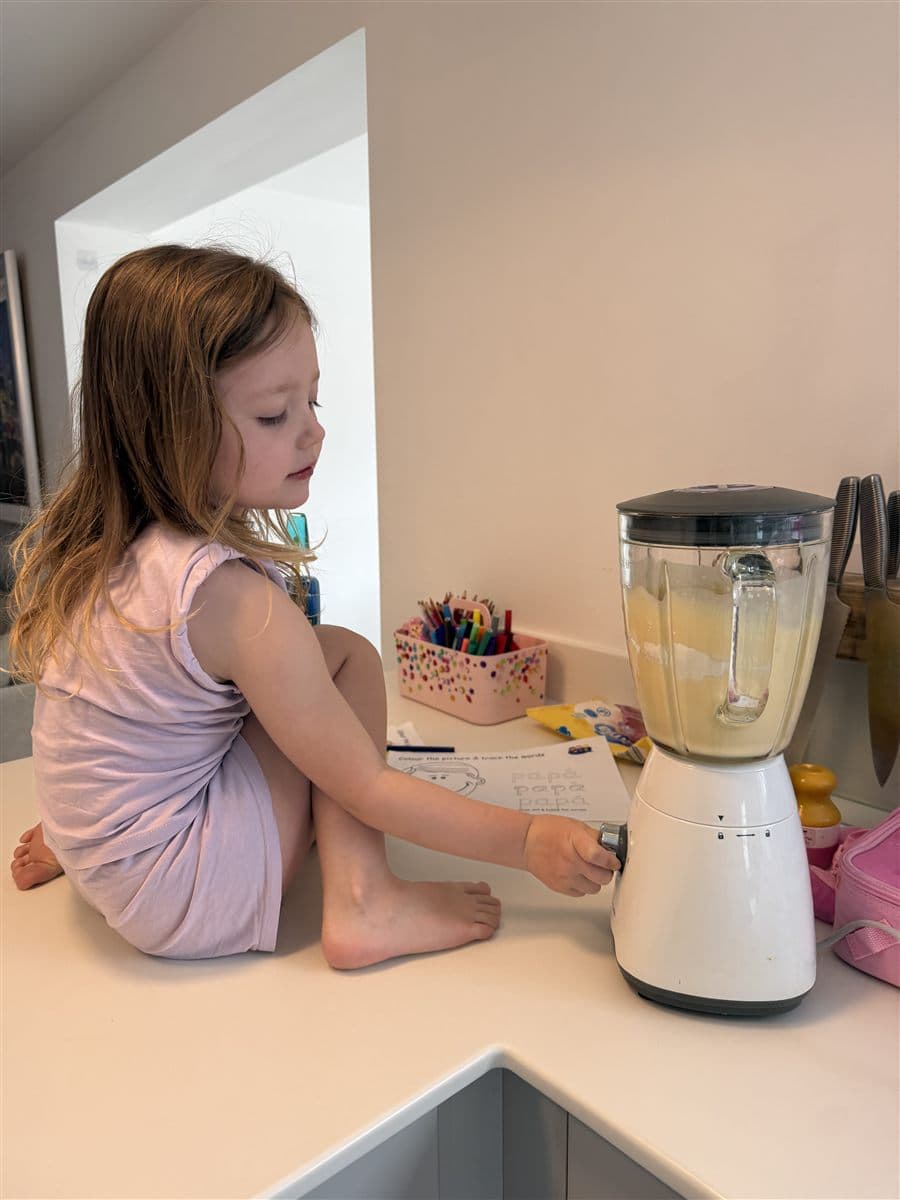
Shopping can involve budgeting and number practice. A bus journey can prompt map reading and time questions. Baking brings measuring, reading and sequencing together. You can jot down what happened and what your child noticed, without turning every ordinary moment into a formal lesson.
Flybrite can help you turn everyday learning notes into a tidy record in minutes, so you have your own account organised in one place. See education management to understand how the record-keeping tools work. This record belongs to your family; it is not a set of work samples the Local Authority is entitled to demand.
What should a home education portfolio in the UK include?
A home education portfolio is a family record, not a required official document or a prescribed folder. Keeping one can help you see how your child’s interests and abilities develop, remember useful activities and plan what to explore next. There is no mandatory format, and in England you are not legally required to produce specific evidence such as samples or photographs for a Local Authority enquiry.
You could keep a simple dated note of books read, topics explored, projects, outings, conversations or practical skills. Add your own reflections: what interested your child, what felt challenging and what you might do next. A short note such as “compared prices at the shop and worked out which pack was better value” may be more useful to you than a pile of unlabelled papers.
If the authority makes an informal enquiry, the evidence is your written account of how you are providing a suitable education. The government guidance for parents says there is no legal obligation to produce specific evidence. A written overview can describe your educational approach and how it meets your child’s needs. You can decide what information to provide and how to respond; remember that providing nothing may lead the authority to decide that education does not appear suitable.
Keep notes brief enough that you can maintain them. A few minutes each week is more sustainable than trying to recreate months of activity later. Flybrite is designed to help organise those everyday records, rather than add another complicated task to your week.
Can you find a home education co-op in the UK?
Yes. Families may find local groups, meet-ups, clubs, study groups and co-operative activities through community noticeboards, libraries, local parent networks and social media. Some groups share a venue or arrange regular sessions; others meet informally for park visits, museum trips or conversation. What is available depends on your area, and groups set their own arrangements.
A group can offer friendship, shared interests and a chance for children to learn alongside others. It is optional, not a requirement. Ask what activities involve, whether parents stay, how costs work and whether the group is a good fit for your child. You do not need to join an organisation or adopt a particular educational approach to take part in ordinary community activities.
Practical tips for making your plan work
- Begin with a rhythm, not a rigid timetable. A library morning, a regular reading time or a weekly outing can give the week shape without filling every hour.
- Use your local resources. Libraries, museums, parks, galleries and community events can offer fresh experiences and useful books. Check opening times and any booking or travel costs.
- Make room for rest and adjustment. A difficult week does not mean you need to abandon home education. Look at what is getting in the way and simplify where you can.
- Keep records for your own clarity. A dated note of activities and your reflections can help you remember what your child has been doing. Do not feel you have to collect formal evidence every day.
- Review costs regularly. Free library loans, second-hand books, community events and everyday activities can sit alongside paid materials. There is no general funding entitlement in England.
- Ask for support when you need it. You can seek advice from a home education organisation, a local group or a suitable professional, especially when your child has additional needs or a school withdrawal process is unclear.
For more planning ideas and practical resources, browse the home education resources guides. Keep what genuinely helps and leave the rest.
Frequently asked questions
Do I have to follow the National Curriculum for home education in England?
No. The National Curriculum is not compulsory for home education in England. Parents must provide an efficient, full-time education suitable to their child’s age, ability, aptitude and any special educational needs, but they can decide how to do that.
Can my home-educated child take GCSEs?
Yes. A home-educated young person can work towards GCSEs and take exams as a private candidate, subject to the arrangements of the exam board and centre. Contact potential centres well in advance to ask about subjects, practical components, fees and deadlines.
Do I have to accept a Local Authority home visit?
No. Home visits are voluntary, as are responses to informal enquiries. You can consider offering a written account instead. If you provide no information, the authority may conclude that the education does not appear suitable.
Do I need to choose a named home education approach?
No. Approaches such as structured, project-based, eclectic and interest-led describe ways families may organise learning; they are not formal legal categories. You can combine ideas and change your plan.
Is there one best curriculum for every family?
No. The right resources depend on your child, family circumstances, budget and preferred level of structure. Try small steps and review what is working rather than feeling pressured to copy another family’s routine.
Choose a way forward that fits your family
There is no single curriculum used by every home-educating family in the UK, and you do not need to recreate school at home. You can build a suitable education from books, practical experiences, planned activities, your child’s questions and the resources that make life easier. Start simply, keep your approach flexible and make decisions with your own child in mind.
If a clearer record would help you feel more organised, try Flybrite free for 7 days, with no card needed to start. The record stays yours. home education costs