If you have ever stared at a blank page and wondered how to start a home education report, you are not alone. Many home educating parents want to keep a sensible record, but do not want anything that feels formal, stressful, or like school at home. The good news is that a home education report can be simple, personal, and genuinely useful for your family.
In England, you do not need Local Authority approval to home educate, and the law does not require a set format, curriculum, or pile of evidence. What matters is that you can show your child is receiving a suitable education. A clear written account of what your child has been doing, learning, and enjoying is often enough for your own records, and it can also help if the Local Authority makes informal enquiries under section 436A. If you want a broader overview of your rights and responsibilities, it is worth reading understanding home education in the UK alongside this guide.
What is a home education report?
A home education report is simply a written summary of your child’s learning and progress over a period of time. Some families write one each term, some do it monthly, and others keep a rolling record that they turn into a report when needed. There is no single correct way to do it.
For many home educators, the report becomes a calm way to notice progress that can otherwise be easy to miss. It can include what your child has studied, books read, outings, practical skills, projects, hobbies, and the small everyday moments that show learning is happening. If you are just getting started, our getting started guide for home education can help you settle into the early weeks with less pressure.
How do I start a home education report?
The easiest way to start is to keep it very plain. Open a document or notebook and begin with the basics: the date range, your child’s age, and a few short notes on what has happened during that period. You do not need to write an essay. A report can be as simple as a few headings and bullet points.
A simple starting structure
- Overview: a short paragraph about how the period has gone
- English and communication: reading, writing, speaking, listening, storytelling
- Maths: number work, money, time, measurement, problem solving
- Science and the wider world: experiments, nature study, museums, documentaries
- Practical life: cooking, budgeting, chores, travel, independence
- Interests and projects: anything your child has been drawn to
- Next steps: what you might focus on next
If you like a bit more structure, you may find it helpful to plan the year first and then turn that into regular notes. Our home education curriculum planning guide explains how families can organise learning without feeling boxed in by school-style expectations.
Keep the tone factual and warm
Think of the report as a friendly record, not a performance. Write what happened, what your child enjoyed, what was tricky, and what helped. A report that sounds human is far more useful than one packed with jargon.
For example:
This month, Sam has been reading short chapter books independently and has grown in confidence when retelling stories aloud. He has also enjoyed using coins in real-life shopping trips and has started to recognise totals up to £5.
What should a home education report include?
Your report should reflect your child and your family, not a template copied from school. That said, there are a few helpful things to include so the report stays clear and balanced.
Useful things to cover
- What your child has been learning across different areas
- How they are progressing, even if progress is small or uneven
- What resources you have used, such as books, libraries, online courses, museums, games, or practical activities
- Any projects or interests that have become a big part of learning
- Trips and experiences that have supported learning
- Any challenges and how you have adapted
- Plans for the next period
You do not need to send photographs, samples of work, or copies of worksheets to the Local Authority. DfE guidance for parents says you are under no legal obligation to produce specific evidence. If you keep photos, they are best kept for your own records, memory-keeping, or to help you write your report later.
If you are still getting your head around what the Local Authority can and cannot ask for, our guide to Local Authority contact and reporting in home education explains the usual process in plain English.
How detailed should a home education report be?
As detailed as it needs to be for your purpose, and no more. If it is for your own records, a few paragraphs may be enough. If you are writing something to help answer informal Local Authority enquiries, you may want a fuller summary. Even then, the key is clarity, not volume.
A useful rule of thumb is this: if someone who knows nothing about your family read the report, would they be able to understand what your child has been doing and learning? If yes, you are probably on the right track.
What not to do
- Do not feel pressured to create a school-style report unless that genuinely suits your family
- Do not worry about covering every subject every time
- Do not turn it into a list of achievements only, because challenges matter too
- Do not include more detail than you will realistically keep up with
How often should you write a home education report?
There is no legal requirement for a set schedule in England. The best rhythm is the one you can sustain without it becoming a burden. Many families choose one of these approaches:
- Monthly notes: short and manageable
- Termly reports: useful if you like a bigger overview
- Rolling journal: quick entries throughout the week, then summarised later
- Half-termly snapshots: somewhere between monthly and termly
If your child’s learning is varied or interest-led, a rolling record can be especially helpful because it captures learning that happens in everyday life. If your family prefers more structure, a termly report may feel more natural. There is no need to force one style on everyone. Different home education approaches can work well, and families often mix them as life changes. If you are exploring that side of things, our guide to different home education approaches is a useful next read.
How do I write a report for the Local Authority?
If the Local Authority makes informal enquiries, the aim is usually to understand whether your child appears to be receiving a suitable education. You are not being inspected, and the Local Authority does not approve or sign off home education. In England, the duty is on parents under section 7 of the Education Act 1996.
A good report for this purpose should be calm, factual, and easy to follow. You can explain:
- what your child is learning
- how you are supporting that learning
- what progress you have noticed
- how you adapt when your child’s needs or interests change
You do not have to accept a home visit, and you do not have to respond to informal enquiries. That said, if you provide nothing at all, the authority may conclude that the education does not appear suitable. Many families prefer to keep a tidy record so they can answer calmly if needed, without scrambling for information.
This is exactly where a tool like Flybrite can help. It turns everyday moments into a tidy, LA-ready record in minutes, so you are not trying to remember three months of learning the night before you need it. Thousands of UK families already trust Flybrite to keep their records simple and in one place. You can see how it works on our how Flybrite works page.
What counts as evidence in a home education report?
In practice, the strongest evidence is your written account of what your child is doing and learning. That can be supported by notes you make over time, but the report itself is the important part. You are not required to produce specific evidence for the Local Authority, and you should never feel pushed into sending photos or work samples.
For your own record, though, it can help to keep a private log of things like:
- books your child has read
- projects they have completed
- places you have visited
- classes, clubs, or activities attended
- skills practised in daily life
Flybrite is designed for exactly this kind of gentle record keeping. Instead of hunting through messages, notebooks, and camera rolls, you can store learning notes in one place and shape them into a clear report when you need to. If you are comparing options, take a look at Flybrite pricing and free trial options.
Practical tips for making report writing easier
The easiest reports are the ones built from small habits. You do not need a huge admin session if you keep up with little notes as you go.
Try these simple habits
- Keep a weekly note: write down three to five things your child did or learned
- Use plain language: write as if you are explaining it to a supportive friend
- Save receipts for learning: books borrowed, museum visits, class bookings, online resources
- Note progress, not perfection: small gains matter
- Review monthly: a quick look back makes termly reports much easier
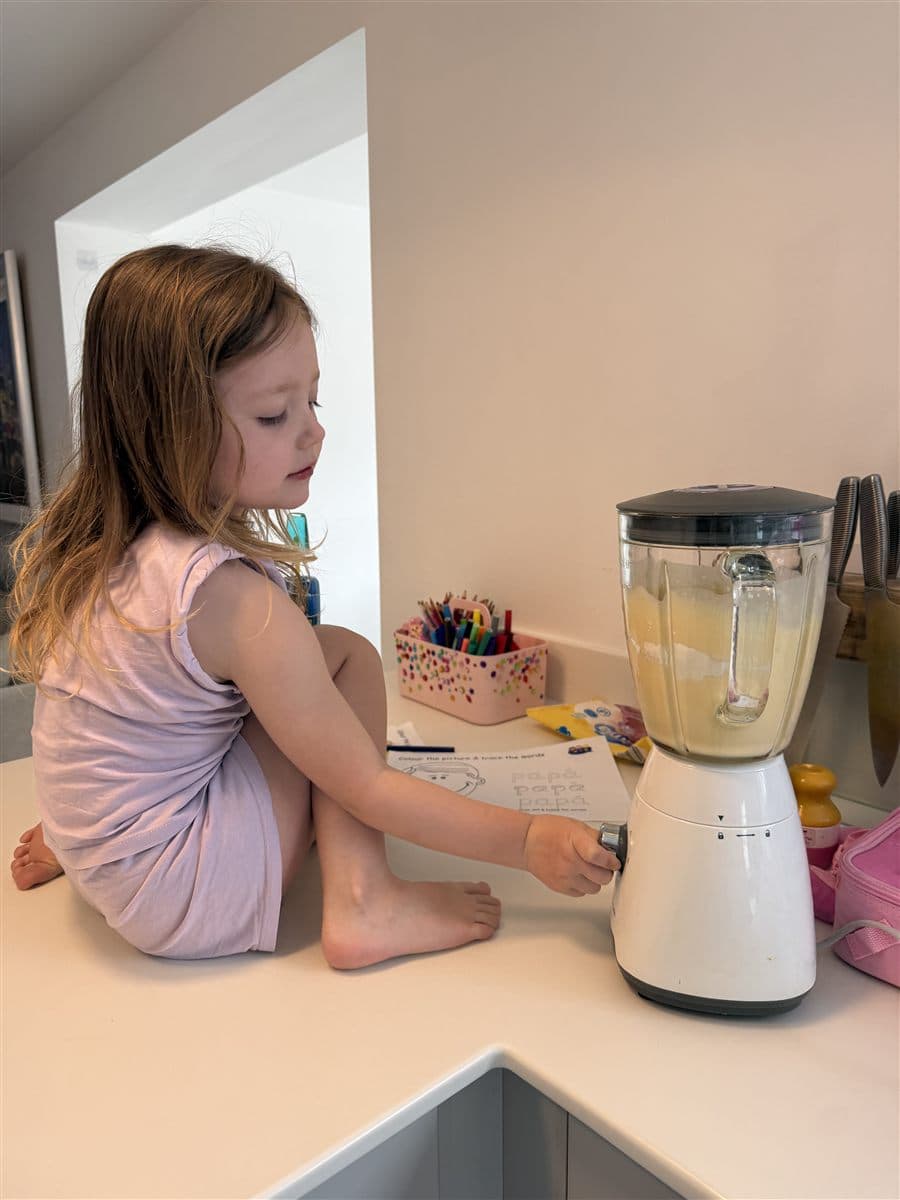
If your child enjoys practical activities, everyday life can provide plenty to write about. Cooking, shopping, gardening, fixing things, travelling on public transport, budgeting, and helping with family routines all count as learning. For families who like printable support for routines, planning, or quick activities, the Flybrite Shop has useful instant downloads that can sit alongside your record keeping.
A simple report formula you can reuse
Here is an easy structure you can use again and again:
- What we did
- What my child learned
- What they found interesting or challenging
- What we will do next
This keeps the report focused and stops it becoming overwhelming.
How can you make a report feel less stressful?
Many home educating parents feel nervous because they think a report has to prove everything. It does not. A good report simply tells the story of your child’s learning honestly and clearly.
It can help to remember:
- you are writing for your family first
- you do not need to mirror school reports
- there is no legal requirement for a National Curriculum
- learning can happen in many ways, not just through lessons
Some families use books and structured resources, others use projects, outings, reading, games, or a mix of everything. All of that can be reflected in a report. The report should fit your home education, not the other way round.
Frequently asked questions
Do I have to write a home education report in the UK?
No, there is no general legal requirement in England to write a report. Many families do it anyway because it helps them keep track of learning and respond calmly if the Local Authority makes informal enquiries.
Do I need to send work samples or photos to the Local Authority?
No. DfE guidance says parents are under no legal obligation to produce specific evidence. Your written account is the key record. Photos can be useful for your own memory and planning, but they are not something you must provide.
What should I include if the Local Authority asks about our home education?
Keep it simple and factual. Explain what your child is learning, how you support that learning, and the progress you have seen. A calm written summary is usually more helpful than a large bundle of paperwork.
How often should I update my report?
Whatever works for your family. Monthly notes, termly summaries, or a rolling journal are all common. The best system is the one you will actually keep up with.
Can Flybrite help with home education reports?
Yes. Flybrite helps you log learning as it happens, then turn those notes into a tidy report when you need one. It is built for UK home educating families who want less admin and more confidence.
Final thoughts
Starting a home education report does not need to be complicated. Begin with a simple summary, keep your language plain, and focus on what your child is actually doing and learning. Over time, your notes will build into a clear picture of progress that is useful for you and reassuring if you ever need to explain your approach.
If you want to make the process easier from the start, Flybrite can help you keep everything in one place without the faff. Ready to make home education simpler? Start your free 7-day trial of Flybrite today: no card to start, and the record stays yours. See how everyday moments become a tidy, LA-ready record in minutes. Try Flybrite free for 7 days.